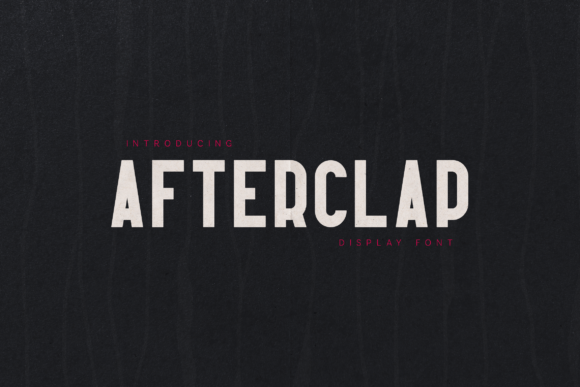
Afterclap: Mastering Bold Condensed Typography for Maximum Visual Impact
When a design project demands immediate attention without sacrificing professional credibility, Afterclap often emerges as the typographic solution. This bold condensed display font is engineered specifically to deliver strong visual impact and a modern typographic presence that few other typefaces can achieve. Its primary strength lies in its powerful vertical rhythm, creating structured letterforms that remain highly legible even at massive display sizes. However, possessing a powerful tool does not guarantee a successful outcome. Many designers, marketers, and business owners select Afterclap for its aesthetic appeal but struggle with application because they treat it like a standard sans-serif rather than a specialized display instrument.
Understanding the specific mechanical advantages of Afterclap is the first step toward avoiding common layout failures. The condensed nature of this typeface allows you to fit more information into horizontal spaces without reducing font size, making it exceptional for poster typography, editorial headlines, and packaging design. Yet, this same density is where most usability issues originate. When users fail to respect the font’s intended purpose, the result is often cluttered graphics or unreadable branding. To leverage Afterclap effectively, we must address the practical mistakes that undermine its potential and explore corrective strategies for modern advertising layouts and visual identity systems.
The Trap of Misusing Display Fonts for Body Copy
The most frequent error encountered with Afterclap is attempting to use it for extended reading or secondary information. Because the font is visually striking, there is a temptation to apply it across an entire social media graphic or magazine spread to maintain consistency. This is a fundamental misunderstanding of typographic hierarchy. Afterclap is a display font; it is designed to be seen quickly and understood instantly, not read linearly over several paragraphs.
When used for body copy, the tight tracking and bold weight create a dense texture that causes eye fatigue. Readers may subconsciously reject the content because the cognitive load required to decode the text is too high. This directly affects communication efficiency and user satisfaction. Instead of forcing Afterclap to do double duty, pair it with a clean, open sans-serif or a highly legible serif for supporting text. Let Afterclap handle the headlines, captions, and call-to-action buttons, while a complementary typeface manages the narrative. This contrast not only improves readability but also amplifies the visual impact of the Afterclap elements by providing necessary negative space.
Neglecting Optical Sizing and Tracking Adjustments
A subtle but critical oversight involves treating digital font files as static objects. While Afterclap features a powerful vertical rhythm, default software settings rarely optimize the typeface for every specific size. A common mistake is using the same tracking (letter-spacing) value for a 72pt poster headline as one would for a 24pt web banner. At larger sizes, the natural spacing of a condensed bold font can appear too loose, breaking the cohesive structure that makes the font effective. Conversely, at smaller display sizes, the characters may crash into one another, destroying legibility.
To correct this, you must manually adjust tracking based on the final output size. For large-format printing and signage, tighten the tracking slightly to reinforce the solid, block-like presence that defines the Afterclap aesthetic. For digital screens or smaller print applications, add a fraction of tracking to ensure the counters (the enclosed spaces within letters) remain open and distinct. This micro-adjustment takes seconds but significantly elevates the perceived quality of branding design and packaging. Professional typographers never rely on defaults; they tune the type to the medium.
Contrast Failures in Modern Advertising Layouts
Bold condensed fonts like Afterclap carry significant visual weight. A recurring issue in modern advertising layouts is failing to balance this weight against background elements and imagery. Placing heavy black Afterclap text over a busy photograph without adequate separation results in poor accessibility and weak communication. Even if the font itself is legible, the lack of contrast renders the message ineffective. This is particularly problematic in social media graphics where users scroll quickly and have zero tolerance for ambiguous text.
Avoid this by employing deliberate contrast strategies. If placing Afterclap over photography, use a solid color block behind the text or apply a gradient overlay to the image to create a quiet zone for the typography. Alternatively, utilize the font’s boldness to your advantage by reversing it out against dark backgrounds with white or bright accent colors. The structured nature of Afterclap responds beautifully to high-contrast environments, but only when the designer actively manages the relationship between type and ground. Never assume the font’s weight alone will provide sufficient separation from complex visuals.
Overlooking Licensing and Technical Compatibility
Before integrating Afterclap into a commercial visual identity system, verifying licensing and technical specifications is non-negotiable. Enthusiasm for the aesthetic sometimes leads creators to download unauthorized versions or assume a desktop license covers web and app usage. This exposes businesses to legal risks and technical limitations. Unauthorized copies often lack complete character sets, missing essential ligatures, currency symbols, or language support that are present in the official release.
Furthermore, condensed display fonts require careful testing across different platforms. What looks perfect in Adobe Illustrator may render differently on a mobile browser due to varying font rendering engines. Before finalizing any branding design or packaging project, test Afterclap in the actual production environment. Check how the vertical rhythm holds up on low-resolution screens and verify that the bold weight does not bleed excessively on uncoated paper stocks. Investing time in these technical validations prevents costly reprints and ensures the typographic presence remains consistent across all touchpoints.
Evaluating Fit for Your Specific Project
Not every project benefits from the intense personality of a bold condensed display font. Before committing to Afterclap, honestly evaluate whether its characteristics align with your communication goals. This typeface excels in contexts requiring authority, urgency, and modernity. It is ideal for magazine titles, event posters, and tech-forward branding. However, it may feel aggressive or inappropriate for industries requiring softness, tradition, or delicate nuance, such as luxury spa branding or children’s educational materials.
- Assess Tone Alignment: Does the structured, modern feel of Afterclap match the emotional resonance of your brand voice?
- Test Hierarchy Early: Create mockups with real content to see if the condensed width actually solves your spatial problems or creates new ones.
- Verify Language Support: Ensure the character set covers all necessary languages and special characters for your target market.
- Check Scalability: Confirm the font maintains integrity at both the smallest and largest sizes required by your campaign.
Making informed decisions about typography separates amateur designs from professional work. Afterclap is a remarkable asset for creators who understand its strengths and respect its limitations. By avoiding the misuse of display weights, adjusting optical sizing, managing contrast intentionally, and validating technical requirements, you transform this font from a mere stylistic choice into a strategic communication tool. The goal is always clarity and impact; when used correctly, Afterclap delivers both with exceptional precision.