Flower Chunk: A Practical Guide to Retro Typography
In the ever-evolving landscape of graphic design and digital creativity, typography serves as the foundational voice of any visual project. While minimalist sans-serifs have dominated corporate branding for decades, there is a distinct and growing resurgence of 70s-inspired aesthetics that prioritize warmth, personality, and tactile appeal. At the forefront of this nostalgic revival is Flower Chunk, a typeface that bridges the gap between vintage charm and modern application. Understanding the specific utility of this font goes beyond simple aesthetics; it requires an exploration of how its unique construction influences readability, brand perception, and production quality in physical media.
The Anatomy of Soft Geometry
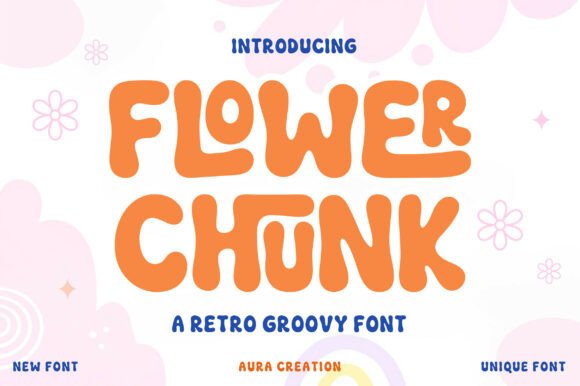
To effectively utilize Flower Chunk, one must first understand its structural DNA. Unlike the sharp, mathematical precision of Swiss-style typography, this font embraces imperfection as a feature rather than a flaw. It is defined by soft, chunky shapes that mimic the organic inconsistency of hand-lettered signage from the mid-20th century. The rounded, bubbly style creates a psychological effect of approachability and safety, which is why it resonates so strongly with audiences seeking comfort in design.
The "chunky" aspect refers to the stroke weight and proportion. The letters possess a boldness that ensures visibility even at smaller sizes, yet the softened terminals prevent the heaviness from feeling aggressive. This balance is critical for designers who need to convey strength without sacrificing friendliness. When evaluating this typeface for a project, consider how its geometry interacts with negative space. The open counters and generous x-height contribute to a cheerful vintage feel, making the text block appear less dense and more inviting to the reader.
Ligatures and Flow: Beyond Basic Kerning
A defining technical characteristic of Flower Chunk is its inclusion of stylish ligatures. For those unfamiliar with typographic terminology, ligatures are special characters where two or more letters are joined together to create a single, cohesive glyph. In many standard fonts, ligatures are purely functional, designed to prevent collisions between characters like 'f' and 'i'. However, in Flower Chunk, they are stylistic tools intended to enhance the handmade look.
These ligatures smooth out the transition between letters, creating a rhythmic flow that mimics natural handwriting or custom sign painting. When designing logos or headlines, enabling OpenType features to access these alternates can transform a static word into a dynamic logo mark. This attention to detail separates professional-grade retro typography from generic novelty fonts. It allows creators to achieve a bespoke appearance without the time investment of drawing custom lettering from scratch.
Strategic Applications in Modern Design
While the 70s-inspired vibe suggests a niche use case, the versatility of Flower Chunk extends across various mediums. Its robust construction makes it particularly valuable for physical products where legibility and durability are paramount.
- T-Shirt and Apparel Design: Fabric absorbs ink, often causing thin lines to disappear or break up after washing. The bold, rounded forms of Flower Chunk maintain their integrity on textiles, ensuring the design remains vibrant and readable over time.
- Sublimation and Heat Transfer: Sublimation printing requires designs that can withstand high heat and pressure. Intricate serifs or hairlines can blur during this process. The solid, bubbly nature of this font provides a safe margin for error, resulting in crisp transfers on mugs, tumblers, and polyester fabrics.
- Sticker and Label Production: Die-cut stickers require clear outlines for cutting machines. The continuous, flowing curves of Flower Chunk facilitate cleaner cut paths compared to jagged or distressed grunge fonts, reducing production waste and weeding time.
- Brand Identity for Lifestyle Brands: Businesses in the wellness, artisanal food, children’s education, and craft sectors benefit from the font's inherent playfulness. It signals authenticity and human touch, differentiating brands from sterile corporate competitors.
Digital Considerations and Web Usage
When transitioning Flower Chunk from print to screen, designers must exercise intentionality. Because of its decorative nature and heavy weight, it is best reserved for display purposes such as hero headers, navigation highlights, or social media graphics. Using it for body copy or long-form content will fatigue the reader and diminish the impact of its unique character. Pairing it with a clean, neutral sans-serif or a simple geometric serif creates a necessary contrast that allows the retro elements to shine without overwhelming the user interface.
Evaluating Suitability for Your Project
Not every project requires a groovy aesthetic, and selecting Flower Chunk should be a strategic decision based on communication goals rather than mere trend-following. To determine if this typeface aligns with your needs, consider the following practical framework.
- Analyze the Emotional Target: Does the project require a tone of nostalgia, joy, or artisanal quality? If the goal is to convey technological precision, legal authority, or urgent seriousness, the playful 70s-inspired vibe may undermine the message. Flower Chunk excels when the objective is connection and warmth.
- Assess Reproduction Constraints: Review the final output medium. Will the design be embroidered, laser-engraved, or printed via risograph? These methods favor bold, simplified shapes. If the project involves extremely small-scale reproduction, such as fine print on packaging or mobile app icons, test the font at actual size first to ensure the chunky shapes do not merge into illegible blobs.
- Consider Audience Demographics: While retro trends are currently popular among Gen Z and Millennials, the interpretation of 70s aesthetics varies. For older demographics, it may evoke genuine nostalgia; for younger audiences, it reads as ironic or trendy. Ensure the usage feels authentic to the brand voice rather than a costume.
- Review Licensing and Technical Specs: Before committing to Flower Chunk for commercial work, verify the license covers your intended use, especially for merchandise or sublimation products. Additionally, check that the font file includes the necessary OpenType tables for ligatures and alternates to maximize its value.
Balancing Trend and Timelessness
A common concern with trend-driven typography is longevity. How does one use a distinctly 70s-inspired font without dating the design prematurely? The answer lies in contextualization. Rather than relying solely on period-accurate color palettes (like mustard yellow and avocado green), try applying Flower Chunk within contemporary layouts and modern color schemes. The juxtaposition of a retro typeface with fresh, unexpected colors or minimalist photography creates a timeless hybrid style. This approach leverages the font’s personality while anchoring it in the present moment.
Furthermore, avoid overusing decorative elements alongside the font. Since Flower Chunk already carries significant visual weight and ornamentation through its ligatures and shape, adding drop shadows, outlines, or additional illustrations can clutter the composition. Let the typography breathe. Often, the most effective application is white text on a solid background or vice versa, allowing the unique handmade look to serve as the primary visual anchor.
Practical Tips for Maximizing Impact
For creators new to working with display fonts of this nature, a few technical adjustments can significantly improve outcomes. First, pay close attention to tracking (letter spacing). Bold, chunky fonts often benefit from slightly tighter tracking in headlines to create a cohesive word shape, whereas excessive spacing can make the letters feel disconnected. Conversely, if using all-caps settings, adding a touch of tracking can improve legibility and add an airy, premium feel.
Secondly, explore the full glyph set. Many users only type out their text and accept the default rendering. By accessing the glyph panel in design software, you can manually swap in alternative characters or ligatures to fix awkward spacing or add variety to repeated letters. This manual refinement is what gives professional designs their polished, custom appearance. It transforms Flower Chunk from a digital tool into a flexible artistic medium.
Finally, consider the hierarchy of information. Because this font commands attention, use it sparingly to guide the viewer’s eye to the most important element. If everything is loud, nothing is heard. Use Flower Chunk for the hook—the main title, the sale price, the brand name—and support it with quieter, functional typography for the details. This disciplined approach ensures the font adds value and clarity rather than just decoration.
Conclusion: More Than Just Nostalgia
Flower Chunk represents a broader shift in design values toward empathy, tactility, and human expression. Its soft, chunky shapes and playful 70s-inspired vibe offer a remedy to digital sterility, providing creators with a tool to infuse warmth into their work. Whether used for sublimation projects, t-shirt designs, or distinctive branding, its value lies in its ability to communicate personality instantly.
However, successful implementation requires more than just installing the font file. It demands an understanding of its structural qualities, respect for its limitations, and thoughtful integration into the overall design system. By approaching Flower Chunk with both creative enthusiasm and practical discipline, designers can harness its cheerful vintage feel to create work that is not only visually striking but also functionally effective and emotionally resonant. In a crowded marketplace, that unique handmade look is often the deciding factor that helps a project stand out and connect with its audience on a deeper level.