Embracing Nostalgia: A Comprehensive Guide to the Retro Friday Font
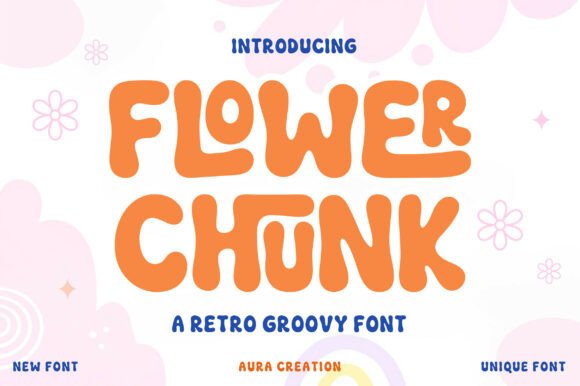
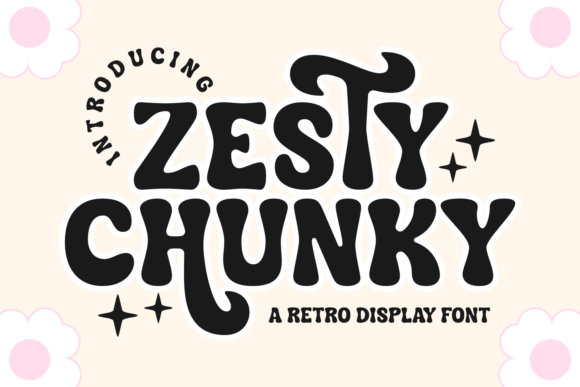
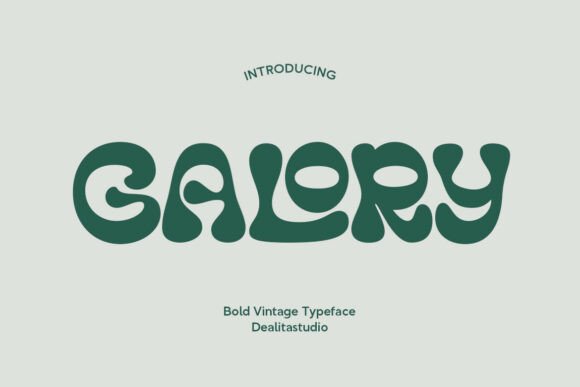
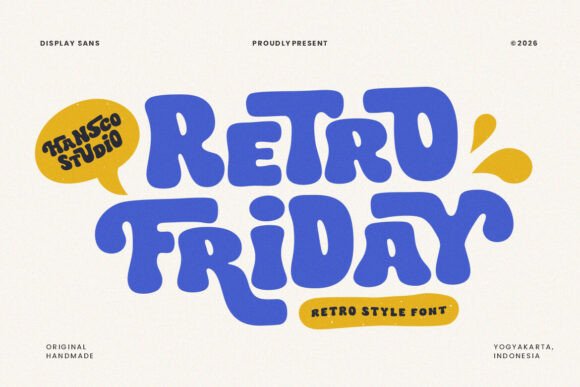
In the ever-evolving landscape of graphic design, trends often move in cycles. While minimalism and sleek futurism have dominated much of the digital age, there is a resurgent hunger for warmth, character, and history. This is where Retro Friday enters the conversation. More than just a collection of letterforms, Retro Friday is a uniquely crafted retro groovy typeface designed to bring bold character and nostalgic charm to your designs. Its playful curves and vintage-inspired shapes capture the spirit of classic retro aesthetics while still feeling fresh and distinctive.
For designers, marketers, and hobbyists alike, understanding this typeface is not merely about appreciating its visual style; it is about understanding how typography influences emotion, brand identity, and consumer behavior. Whether you are creating a logo for a new coffee shop or designing apparel for a streetwear brand, Retro Friday offers a bridge between the past and the present. This guide explores the significance, application, and best practices of using this distinctive font in modern creative projects.
The Anatomy of Groovy Typography
To truly appreciate Retro Friday, one must first understand what defines "groovy" typography. Emerging prominently in the late 1960s and peaking in the 1970s, this style was a rebellion against the rigid, grid-based Swiss Style that preceded it. Groovy typefaces are characterized by organic fluidity, exaggerated curves, and a sense of movement. They feel hand-drawn rather than machine-generated, evoking a sense of human touch and artisanal craftsmanship.
Retro Friday embodies these historical traits but refines them for contemporary use. Where original vintage fonts might suffer from poor legibility or outdated spacing, Retro Friday is engineered with modern precision. The playful curves are balanced with structural integrity, ensuring that the nostalgia does not come at the cost of functionality. This balance is crucial. In professional design, a font must be evocative without being illegible. Retro Friday succeeds because it retains the soul of the era while adhering to the standards of current digital and print media.
Why Nostalgia Matters in Modern Design
You might wonder why a font inspired by decades past is relevant in a technology-driven present. The answer lies in psychology. Nostalgia is a powerful emotional trigger. It provides a sense of comfort, authenticity, and established trust. In an era of AI-generated content and sterile corporate branding, consumers are craving genuine connection. Using a typeface like Retro Friday signals that a brand values heritage, creativity, and human expression.
This is particularly significant for businesses trying to differentiate themselves in saturated markets. A tech startup using Retro Friday isn't selling code; they are selling a friendly, accessible user experience. A bakery using this font isn't just selling bread; they are selling a memory of homemade warmth. The font acts as a visual shorthand, communicating complex brand values instantly before a single word is read.
Practical Applications Across Industries
Versatility is a hallmark of well-designed display typefaces. Retro Friday is perfect for logos, branding, posters, apparel designs, and other creative projects, but its utility extends into specific niches where tone is everything.
- Branding and Identity: For lifestyle brands, record labels, and artisanal food products, this font establishes an immediate vibe. It works exceptionally well as a primary logotype or as a secondary accent font paired with a clean sans-serif.
- Apparel and Merchandise: T-shirt design relies heavily on typography. The bold character of Retro Friday ensures readability from a distance while adding a decorative element that makes merchandise desirable as fashion, not just advertising.
- Event Marketing: Music festivals, art fairs, and pop-up markets benefit from the energetic, celebratory nature of groovy type. It suggests fun and community, encouraging attendance and social sharing.
- Social Media Content: In the fast-scrolling environment of Instagram and TikTok, static images need to grab attention quickly. The distinctive shapes of Retro Friday stop the scroll more effectively than standard system fonts.
Pairing Retro Friday Effectively
A common misunderstanding among beginners is that a strong display font should stand alone. However, even the most beautiful retro typeface needs support. Because Retro Friday has such a strong personality, it requires a neutral partner to maintain visual hierarchy and readability.
- Choose a Neutral Sans-Serif: Fonts like Helvetica, Inter, or Montserrat provide a stable foundation. They allow Retro Friday to shine without competing for attention.
- Avoid Other Display Fonts: Pairing Retro Friday with another decorative script or serif can create visual chaos. Let the retro font be the star of the show.
- Mind the Contrast: Use weight and size to differentiate. If Retro Friday is large and bold, keep body text small and light. This contrast guides the viewer’s eye through the layout logically.
Navigating Common Misconceptions
Despite its popularity, retro typography is sometimes misunderstood. Addressing these assumptions helps designers use Retro Friday more effectively and professionally.
Misconception 1: Retro means messy.
Some assume that vintage aesthetics require distressing, grain, or imperfection. While texture can enhance the look, Retro Friday is clean and vector-ready. You do not need to degrade the quality to make it feel authentic. The authenticity comes from the form, not the damage.
Misconception 2: It is only for 70s themes.
While rooted in that era, the font’s fresh execution allows it to transcend strict period reenactment. When paired with modern color palettes—such as neon gradients or muted earth tones—it can feel futuristic or bohemian rather than strictly historical. Context dictates the era, not just the letterforms.
Misconception 3: It is unprofessional.
Playfulness is often mistaken for amateurism. However, intentional playfulness is a sophisticated design choice. As long as the typography serves the communication goal and maintains legibility, Retro Friday can be used in high-end commercial work. Professionalism is defined by execution and appropriateness, not by rigidity.
Technical Considerations for Best Results
To maximize the impact of Retro Friday, technical proficiency is as important as artistic vision. Here are practical tips for implementation:
- Kerning and Tracking: Groovy fonts often have unique spacing requirements. Always manually adjust kerning (space between specific pairs) and tracking (overall space) to ensure the curves flow naturally. Default settings may leave awkward gaps or cause overlaps that hinder reading.
- Color Psychology: Color amplifies the font’s message. Warm oranges, browns, and yellows lean into the vintage nostalgia. Cool blues, purples, and pinks push the aesthetic toward synth-wave or modern retro. Test multiple palettes to align with your specific project goals.
- Scalability: Ensure the font remains legible at small sizes. While Retro Friday is bold, intricate details can get lost in favicon or mobile navigation contexts. Reserve it for headlines and key visual elements, relying on simpler fonts for micro-copy.
Building a Broader Understanding of Type
Exploring Retro Friday is an entry point into the wider world of typographic history and theory. By studying why this font works, you develop a deeper appreciation for how shape influences meaning. You begin to see typography not just as text, but as illustration, as voice, and as cultural artifact.
In educational settings, fonts like this serve as excellent case studies for discussing the relationship between culture and design. Students learn that typefaces are responses to their times—reactions against previous norms and reflections of societal moods. In business, understanding this helps leaders make informed decisions about visual identity. Choosing a font becomes a strategic act of positioning rather than a superficial decoration choice.
Ultimately, Retro Friday is a tool for storytelling. It invites audiences to pause, smile, and engage with a design on an emotional level. In a world that often prioritizes speed and efficiency, taking the time to incorporate bold character and nostalgic charm is a radical act of creativity. Whether you are a seasoned art director or a student just beginning your journey, mastering this typeface equips you with the ability to infuse modern work with timeless soul. By respecting its roots while leveraging its contemporary refinement, you ensure your designs do not just communicate information—they create experiences.