Good Fighter Font: Heartfelt Design for Every Creator
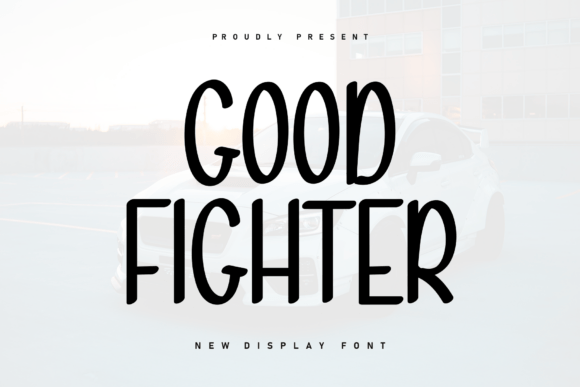
In a digital landscape often dominated by rigid grids and sterile geometry, finding a typeface that feels genuinely human can transform a project. Good Fighter is a charming handwritten font filled with a sense of heartfelt perfection that bridges the gap between professional polish and personal touch. Its smooth strokes and organic lines evoke a relaxed atmosphere, making it an ideal choice for designers seeking authenticity without sacrificing legibility. Unlike distressed or chaotic script fonts that prioritize style over function, this typeface maintains a clean rhythm that allows it to perform beautifully across branding, invitations, and social media graphics.
Why Authenticity Matters Across Different Roles
The value of a handwritten typeface shifts depending on who is using it and what they hope to achieve. For a marketing director at a lifestyle brand, Good Fighter represents a strategic asset. It signals approachability and warmth in an era where consumers are increasingly skeptical of overly corporate messaging. The font’s organic flow suggests that there are real people behind the logo, fostering trust and emotional connection. In this context, the priority is commercial value and brand consistency; the font must look intentional rather than accidental.
Conversely, for a hobbyist creating handmade jewelry or a small business owner running an Etsy shop, the priorities lean heavily toward accessibility and personality. These creators often lack formal typography training but possess a keen eye for aesthetic cohesion. For them, Good Fighter offers a shortcut to professionalism. It provides the visual texture of custom lettering without requiring hundreds of hours of practice or expensive illustration software. Here, ease of use and immediate visual impact take precedence over technical nuance, allowing the creator to focus on their craft rather than kerning adjustments.
Educators and Non-Profit Communicators
Educators and non-profit organizers occupy a unique middle ground. They need materials that feel welcoming and inclusive but must also maintain clarity and authority. A font that is too messy can be difficult for students or donors to read quickly, while one that is too stiff may feel cold or bureaucratic. Good Fighter serves this audience by balancing readability with empathy. When used in newsletters, classroom signage, or fundraising appeals, its smooth curves soften the delivery of information without obscuring the message. For these users, reliability and presentation are paramount; the font must work as hard in a dense paragraph as it does in a headline.
Evaluating Quality Through Practical Application
Determining whether this typeface fits your specific needs requires looking beyond the specimen sheet. Different skill levels and project types demand different evaluations of quality and flexibility.
- Beginners and Hobbyists: Focus on how the font pairs with other elements. Does it clash with your existing assets, or does it elevate them? Test it in actual layouts rather than isolation. If you are designing a birthday invitation, try pairing Good Fighter with a simple sans-serif for body text to see if the contrast feels natural. Your primary metric should be confidence; does using this font make your design feel more "you"?
- Freelancers and Agency Designers: Evaluate technical versatility. Check the OpenType features, ligatures, and alternate characters. Can you adjust the spacing to fit a narrow Instagram story slide without breaking the word shape? Professionals need to know if the font holds up at both 14px web sizes and large-format print. Speed and flexibility are your key indicators here; the font should solve layout problems, not create them.
- Publishers and Content Creators: Consider long-term usefulness and licensing. Will this font remain relevant for your publication's voice six months from now? Does the license cover all your intended platforms, including merchandise or video overlays? For content creators building a personal brand, consistency builds recognition. Ensure the font has enough weight variations or stylistic sets to prevent fatigue across repeated use.
Balancing Creativity with Commercial Constraints
For entrepreneurs and marketers, creativity must always serve a business goal. While Good Fighter excels at evoking emotion, it is essential to test its performance in conversion-focused environments. A/B testing social media graphics featuring this handwritten style against standard serif or sans-serif options can reveal whether the "heartfelt perfection" translates to higher engagement rates. Sometimes, the organic nature of the font draws attention precisely because it breaks the pattern of polished ads in a feed. However, for critical legal disclaimers or complex pricing tables, even the most legible handwritten font may introduce friction. Knowing when to deploy Good Fighter for headlines and when to switch to a utilitarian typeface for details is a mark of mature design judgment.
Practical Examples for Diverse Projects
Understanding theoretical benefits is useful, but seeing the font applied to specific scenarios clarifies its utility. Below are practical ways different audiences might leverage this typeface effectively.
- Social Media Graphics for Coaches: Life coaches and wellness influencers often struggle to make quote cards feel personal. Using Good Fighter for the key phrase in a carousel post adds a layer of intimacy that standard bold fonts cannot replicate. The smooth strokes suggest a calming presence, aligning perfectly with mental health or mindfulness content.
- Product Packaging for Artisan Goods: Small batch coffee roasters or skincare lines can use this font for secondary label information like tasting notes or ingredient highlights. It reinforces the "handmade" narrative without looking amateurish. The organic lines complement textured paper stocks and matte finishes better than sharp-edged digital fonts.
- Wedding and Event Stationery: Planners and DIY brides appreciate fonts that mimic calligraphy without the high cost of custom hand-lettering. Good Fighter works exceptionally well for menu headers, table numbers, and welcome signs. Its relaxed atmosphere suits modern, bohemian, or outdoor weddings where traditional copperplate script might feel too stuffy.
- Educational Worksheets and Handouts: Teachers creating resources for younger students or adult learners benefit from the font's friendly demeanor. It can be used for section titles or encouraging feedback notes ("Great Job!" or "Keep Trying!") to reduce anxiety and make learning materials feel less clinical.
Making the Right Choice for Your Goals
Ultimately, selecting Good Fighter is about aligning typographic voice with project intent. If your goal is to convey precision, technology, or corporate stability, this may not be the right tool. However, if your objective is to foster connection, highlight craftsmanship, or soften a formal message, it offers a distinct advantage. Beginners should feel empowered by its inherent charm, which does much of the heavy lifting in establishing tone. Professionals should appreciate its refined construction that allows for sophisticated typographic hierarchy without losing that essential human element.
Before committing to the font for a major campaign or rebrand, create three distinct mockups representing your most common use cases. Assess them not just for beauty, but for function. Ask yourself if the relaxed atmosphere supports the user experience or distracts from it. When used with intention, Good Fighter becomes more than just a collection of glyphs; it becomes a vehicle for genuine communication that resonates with audiences tired of digital perfectionism. Whether you are a seasoned art director or someone designing their first flyer, the font’s ability to merge heartfelt aesthetics with practical application makes it a versatile addition to any creative toolkit.