Halftime Zone: Leveraging Stadium Aesthetics in Modern Athletic Branding
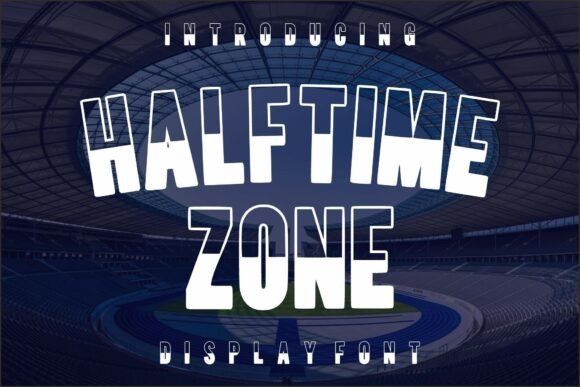
The visual language of sports is distinct, immediate, and universally understood. It communicates urgency, competition, and team identity through specific typographic cues that have evolved over decades of broadcast design and stadium architecture. At the intersection of this tradition and contemporary digital design sits Halftime Zone, a bold athletic display font inspired by stadium scoreboards, sports jerseys, and competitive game energy. For designers, marketers, and content creators tasked with building identities for teams, esports organizations, or athletic events, understanding the functional mechanics of this typeface is essential. It is not merely a stylistic choice but a strategic tool that carries inherent cultural associations, allowing brands to tap into established visual shorthand while maintaining modern legibility across diverse media.
The Anatomy of Competitive Typography
To utilize Halftime Zone effectively, one must first understand the structural decisions that define its aesthetic. Unlike traditional serif or humanist sans-serif typefaces designed for extended reading, this font belongs to the category of display typography where impact takes precedence over flow. The strong block structure serves as the foundational element, mimicking the modular nature of LED scoreboard displays and varsity lettering. This geometric rigidity conveys stability and strength, two attributes that are psychologically linked to athletic performance and reliability.
The dynamic outline style is equally significant from a technical production standpoint. In physical merchandise manufacturing, such as screen printing on jerseys or embroidery on caps, solid heavy blocks can sometimes appear muddy or lose definition at smaller scales. The outlined approach inherent in Halftime Zone preserves the boldness required for visibility from a distance while reducing ink coverage and improving contrast against varied background colors. This duality makes it exceptionally versatile for both digital screens, where RGB values render crisp edges, and physical substrates where texture and material limitations dictate design constraints. The letterforms are engineered to deliver a confident and energetic look that stands out in headlines, logos, and promotional materials without requiring excessive post-processing effects to achieve a "sporty" appearance.
Strategic Applications Across Media Verticals
The utility of Halftime Zone extends beyond generic sports graphics. Its specific design characteristics make it suitable for several distinct verticals, each with unique requirements for hierarchy and tone. Understanding these nuances prevents the misuse of the typeface in contexts where it might feel inappropriate or illegible.
- Team Merchandise and Apparel: When designing fan gear, readability is paramount. Halftime Zone functions optimally as the primary identifier for team names or player numbers. Its blocky proportions ensure that text remains identifiable even when fabric folds or wrinkles. Designers should pair this display font with a clean, neutral sans-serif for secondary information like sizing tags or care instructions to maintain visual balance.
- Esports and Streaming Graphics: The digital-native audience of esports expects high-contrast, aggressive aesthetics that translate well to small mobile screens and large tournament broadcasts simultaneously. The font’s scoreboard inspiration aligns perfectly with UI overlays, lower thirds, and victory screens. Because esports branding often involves neon or dark mode palettes, the outline variation of Halftime Zone allows for vibrant stroke colors against dark backgrounds without creating visual vibration.
- Event Posters and Signage: Wayfinding and promotional posters for marathons, tournaments, or gym events require instant information processing. The font’s wide stance and open counters facilitate rapid scanning. In this context, it should be reserved strictly for headers, dates, and location markers. Body copy regarding schedules or rules should utilize a highly legible text face to prevent viewer fatigue.
- Athletic-Themed Editorial Content: Sports blogs, magazines, and news sites often struggle to differentiate headlines from standard web typography. Using Halftime Zone for article titles or section dividers creates an immediate thematic anchor. However, web performance must be considered; because display fonts can be file-heavy, proper subsetting and loading strategies are necessary to maintain site speed.
Pairing Strategies and Visual Hierarchy
A common pitfall when working with specialized display fonts is the temptation to use them universally. Halftime Zone is a specialist, not a generalist. Its powerful letterforms demand a supporting cast of typefaces that provide breathing room and functional clarity. Successful implementation relies on establishing a clear typographic hierarchy where Halftime Zone occupies the top tier exclusively.
For body text and captions, geometric sans-serifs with taller x-heights tend to complement the blocky nature of this athletic font without competing for attention. Typefaces that share similar underlying grid structures but lack the decorative outlines create a cohesive system that feels intentional rather than accidental. Conversely, pairing it with ornate serifs or script fonts often results in tonal dissonance, as the delicate curves clash with the industrial precision of the scoreboard aesthetic. The goal is to let the display font handle the emotional heavy lifting while the supporting typefaces manage the informational logistics.
Color theory also plays a critical role in maximizing the effectiveness of this typeface. High-saturation combinations, such as white on navy or yellow on black, leverage the font’s heritage in high-visibility athletic wear. Muted or pastel palettes can soften the aggressive nature of the letterforms, making them suitable for youth sports or wellness-oriented fitness brands. Designers should test color combinations in both light and dark modes, as the outline style can behave differently depending on luminance contrast ratios. Accessibility standards must still be met; despite the stylized nature of the font, WCAG compliance for non-text contrast ensures that the branding remains inclusive.
Technical Considerations for Production Workflows
Integrating Halftime Zone into professional workflows requires attention to technical specifications that differ from standard corporate typography. Whether preparing files for print vendors or deploying assets for web development, specific precautions ensure the intended aesthetic survives the translation process.
- Vector Integrity: Always retain master vector files. Rasterizing this font at low resolutions destroys the crispness of the outline details. For large-format printing like stadium banners, verify that the vector nodes are clean and optimized to prevent plotting errors.
- Kerning Adjustments: Display fonts inspired by scoreboards often feature uniform spacing that may require manual optical kerning in logo lockups. While the default metrics work well for headlines, tight logo compositions may need negative tracking to unify the wordmark, whereas all-caps settings might benefit from slight positive tracking to enhance legibility.
- Licensing Compliance: Athletic fonts are frequently used in commercial merchandise. Professionals must verify that their license covers product resale, streaming monetization, and client deliverables. Assuming a desktop license covers t-shirt sales is a common legal oversight that can result in significant penalties.
- Cross-Platform Testing: Render tests should be conducted across multiple devices. What looks bold and readable on a 27-inch design monitor may appear thin or pixelated on a budget smartphone. The outline strokes must be thick enough to survive anti-aliasing algorithms used by different operating systems and browsers.
Cultural Resonance and Audience Perception
Beyond technical execution, the selection of Halftime Zone signals specific cultural values to the audience. Typography is never neutral; it carries historical baggage and emotional weight. This particular style evokes nostalgia for mid-century athletics while simultaneously feeling relevant to modern gaming culture. This bridge between generations is valuable for brands attempting to appeal to both older traditionalists and younger digital natives.
For educational institutions and youth organizations, the font projects a sense of established tradition and school spirit without appearing dated. It suggests a program that respects history but operates with current standards. In contrast, for commercial fitness brands or supplement companies, the same letterforms communicate intensity, discipline, and measurable results. The association with scoreboards implies that performance is being tracked and valued.
However, designers must remain cognizant of context. The aggressive, blocky nature of this typeface can inadvertently signal hostility if used inappropriately in community-focused or rehabilitative contexts. Softening the application through color, layout whitespace, or supportive imagery can mitigate this intensity. The font is a volume knob for competitive energy; knowing when to turn it up and when to dial it back is what separates competent typesetting from expert brand communication.
Ultimately, Halftime Zone represents a mature evolution of athletic typography. It moves past cliché varsity scripts and generic bold sans-serifs to offer a refined, purpose-built solution for competitive visual identity. By respecting its structural origins, adhering to proper hierarchy, and considering technical production realities, creatives can harness the confident and energetic look that defines modern sports culture. The font does not just display text; it activates the psychological framework of the game, turning static designs into dynamic expressions of team spirit and competitive drive. Whether applied to a championship banner, a Twitch overlay, or a limited-edition sneaker drop, its success depends entirely on the designer's ability to treat it as a functional component of a larger communication system rather than a standalone decoration.