Hatch Berry: A Cute Handwritten Font for Playful Designs
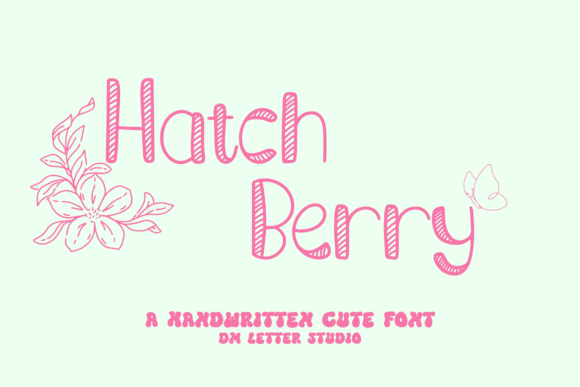
Typography sets the emotional tone of any project before a single word is read. When a design requires warmth, approachability, and genuine charm, standard sans-serif or serif typefaces often fall short. Hatch Berry fills this specific niche as a playful handwritten font designed to infuse sweetness into visual communication. Its strokes are intentionally soft and rounded, creating a friendly aesthetic that feels less like digital text and more like a personal note. This cheerful personality makes it a versatile tool for anyone looking to soften their brand voice or add a lighthearted vibe to creative projects.
Defining the Aesthetic of Soft Typography
Hatch Berry distinguishes itself through its organic construction. Unlike rigid geometric fonts, every curve and terminal in this typeface mimics the natural imperfections of hand lettering. The result is a texture that feels tactile and human. For designers and creators, this means the font carries inherent emotional weight. It communicates kindness, nostalgia, and joy without needing additional graphical elements to support the message.
The readability of cute fonts can sometimes be a challenge, but Hatch Berry balances whimsy with clarity. The letterforms remain distinct enough for short headlines, logos, and captions while retaining their decorative appeal. This balance is crucial for practical application, ensuring that the desire for cuteness does not compromise the user's ability to quickly process information.
Perspectives from Small Business Owners and Marketers
For entrepreneurs and marketers, typography is a strategic asset rather than just a decorative choice. When evaluating Hatch Berry, business owners often prioritize brand alignment and commercial viability over pure aesthetics. A bakery, children’s clothing boutique, or pet grooming service might find that this font perfectly encapsulates their brand identity. It signals to customers that the business is approachable, family-friendly, and detail-oriented.
However, professional users must also consider versatility. While Hatch Berry excels in logos and packaging, it may not be suitable for body copy or formal legal disclaimers. Experienced marketers understand the importance of pairing. Combining Hatch Berry with a clean, neutral sans-serif for secondary text ensures that the design remains legible and professional. The goal is to use the handwritten style as an accent that draws attention to key value propositions, sale announcements, or brand names, rather than overwhelming the entire layout.
From a commercial standpoint, verifying licensing is a primary concern. Business owners need to ensure that the font license covers their intended use, whether that involves physical product packaging, digital advertising, or merchandise for resale. Reliability in licensing provides peace of mind and protects the brand from future legal complications.
Creative Applications for Freelancers and Hobbyists
Freelance designers and hobbyists often approach Hatch Berry with a focus on flexibility and creative expression. Without the strict brand guidelines that constrain corporate designers, these users can experiment more freely with the font’s playful nature. For this group, the value lies in how easily the typeface integrates into diverse personal projects.
- Sticker Design: The rounded edges of Hatch Berry translate exceptionally well to die-cut stickers. The lack of sharp serifs prevents tearing during production and creates a cohesive, bubbly shape that appeals to collectors and journal enthusiasts.
- Greeting Cards: Whether designing for print-on-demand platforms or personal gifts, this font adds a layer of intimacy. It mimics the effort of handwriting, making mass-produced cards feel bespoke and thoughtful.
- Social Media Content: In crowded feeds, soft typography stands out against harsh, high-contrast graphics. Creators use Hatch Berry for Instagram stories, Pinterest pins, and YouTube thumbnails to signal positive, safe, and engaging content.
- Planners and Journals: Functional stationery benefits from friendly headers. Using this font for month dividers or habit trackers makes the organization process feel less like a chore and more like a self-care ritual.
For beginners and hobbyists, ease of use is often the deciding factor. Hatch Berry typically requires minimal tweaking to look good. Unlike complex script fonts that demand careful kerning and ligature adjustments, this typeface is designed to work seamlessly out of the box. This lowers the barrier to entry for those still developing their typographic eye, allowing them to achieve professional-looking results without extensive technical knowledge.
Educational and Child-Centric Design Considerations
Educators and designers working in the children’s sector evaluate fonts through a lens of developmental appropriateness and engagement. Hatch Berry serves a functional purpose beyond aesthetics in this context. The rounded, simple forms are often easier for young readers to decode than ornate scripts or dense serifs. The friendly tone helps reduce anxiety around learning materials, making worksheets, classroom decor, and educational apps feel more inviting.
When creating resources for kids, clarity is paramount. Teachers and educational publishers look for typefaces that maintain consistent x-heights and open counters. Hatch Berry supports early literacy by presenting letters in shapes that resemble those found in beginner reading books. Furthermore, the "cute" factor increases engagement; children are naturally drawn to softer, rounder visuals, which can lead to longer attention spans and a more positive association with the material being presented.
Evaluating Quality and Long-Term Usefulness
Different users will weigh the quality of Hatch Berry based on their specific output requirements. A digital illustrator creating web graphics may prioritize file size and screen rendering, while a letterpress printer focuses on vector precision and ink spread. High-quality digitization ensures that the curves remain smooth at large sizes and crisp at small ones. Users should always test the font at various scales relevant to their medium before committing to a project.
Long-term usefulness depends on timelessness versus trendiness. While "cute" fonts can sometimes feel dated quickly, Hatch Berry relies on classic handwritten proportions rather than fleeting stylistic gimmicks. This gives it a longer shelf life in a designer’s toolkit. Professionals appreciate assets that can be reused across multiple seasons and campaigns without feeling stale. By anchoring its style in universal feelings of warmth and friendliness rather than specific pop-culture references, the font maintains its relevance.
Making the Right Choice for Your Project
Determining whether Hatch Berry aligns with your current needs requires honest assessment of your project’s goals. If your objective is to convey authority, luxury, or technological innovation, this typeface is likely a mismatch. However, if you aim to build community, evoke comfort, or celebrate playfulness, it becomes a powerful ally.
- Identify the Emotional Goal: Does the project need to feel safe, happy, and personal? If yes, proceed.
- Assess Readability Needs: Is the text short and display-focused? Hatch Berry shines here. Avoid using it for dense paragraphs.
- Consider the Audience Age: While adults appreciate nostalgia and warmth, ensure the level of "cuteness" matches the maturity of your demographic.
- Check Technical Compatibility: Verify that the font format (OTF/TTF) works with your software and that the license covers your distribution method.
Ultimately, Hatch Berry offers a bridge between professional design standards and the authentic charm of hand lettering. It empowers users across skill levels to create work that feels human in an increasingly automated digital landscape. Whether you are launching a new product line, teaching a classroom of preschoolers, or simply decorating a personal planner, understanding the specific strengths of this typeface allows you to leverage its sweetness effectively and intentionally.