Moonday Font: Adding Charm and Liveliness to Designs
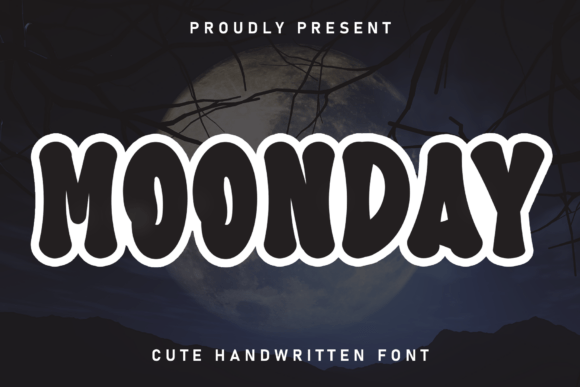
Typography is often the silent ambassador of your design, setting the emotional tone before a single word is read. When you need a typeface that feels authentically human yet professionally polished, Moonday emerges as a compelling solution. This handwritten display font is crafted to encapsulate the quintessence of charm and liveliness, bridging the gap between casual scribbles and refined calligraphy. Unlike rigid digital scripts, Moonday throbs with subtle festive undertones, making it an ideal choice for creators who want their work to feel personal, warm, and inviting.
At its core, Moonday is designed to solve a common problem in modern graphic design: the sterility of perfect geometry. While clean sans-serifs have their place, they often lack the emotive touch required for celebrations, personal branding, or lifestyle content. This typographic wonder brings a rhythmic flow to your layout, ensuring that every headline or invitation sprinkles a flurry of warmth and zest into the viewer's experience. Whether you are a seasoned art director or a small business owner designing your first product label, understanding how to leverage this font’s unique characteristics can elevate your visual communication significantly.
The Character and Appeal of Handwritten Display Type
To truly appreciate Moonday, it helps to understand what makes a handwritten display font effective. Display typefaces are intended for use at larger sizes, such as headlines, logos, or posters, rather than body text. Moonday excels here because its intricate details and varying stroke widths remain legible and beautiful when scaled up. The letterforms possess a friendly vibrancy that mimics the natural movement of a pen on paper, complete with slight imperfections that add authenticity.
This authenticity is exactly why marketers and entrepreneurs are drawn to this style. In an era dominated by AI-generated imagery and minimalist corporate aesthetics, consumers crave connection. A font like Moonday signals that there is a human behind the brand. It suggests care, celebration, and approachability. For wedding stationers, this means invitations that feel bespoke rather than templated. For bloggers and influencers, it creates a cohesive visual identity that feels like a conversation with a friend rather than a broadcast from a corporation.
Practical Applications Across Creative Projects
Versatility is one of Moonday’s strongest assets. While it naturally shines in festive contexts, its utility extends far beyond holiday cards. Here are several practical ways to integrate this typeface into various personal and professional workflows:
- Wedding and Event Stationery: This is perhaps the most obvious application. Moonday adds an emotive touch to save-the-dates, seating charts, and welcome signs. Its lively bounce pairs beautifully with classic serif fonts for body text, creating a hierarchy that is both romantic and readable.
- Product Packaging and Labels: Small business owners selling artisanal goods, cosmetics, or baked items can use this font to convey craftsmanship. On a jar label or a box sleeve, the handwritten style implies "handmade" and "premium" without needing expensive custom lettering.
- Social Media Graphics: Engagement often hinges on stopping the scroll. Using Moonday for quote overlays, announcement carousels, or story highlights adds a burst of energy that standard system fonts cannot match. It helps maintain brand consistency across platforms while keeping content visually fresh.
- Greeting Cards and Personal Notes: Jazzing up your greeting cards is effortless when the typography itself carries the sentiment. Whether for birthdays, thank-you notes, or seasonal greetings, the font’s inherent festivity does much of the heavy lifting, allowing simple messages to feel profound.
- Educational Materials: Educators and tutors can use this typeface to make worksheets, certificates, or classroom decor feel more encouraging and less intimidating. The friendly aesthetic helps create a welcoming learning environment, particularly for younger audiences or creative workshops.
Design Considerations for Beginners and Professionals
While Moonday radiates an irresistible burst of energy, using it effectively requires some typographic discipline. Because it is a display font with high personality, it demands specific handling to ensure your design remains functional and aesthetically pleasing. Beginners should keep several key principles in mind to avoid common pitfalls associated with script and handwritten styles.
Contrast is essential. Never pair Moonday with another highly decorative or handwritten font. Doing so creates visual chaos and makes the design difficult to parse. Instead, anchor it with a clean, neutral sans-serif or a traditional serif. The simplicity of the supporting typeface will allow Moonday’s charm to take center stage without competing for attention. Think of it as the lead singer in a band; the rhythm section needs to be steady so the vocalist can shine.
Mind the spacing and sizing. Handwritten fonts often have unique kerning (the space between individual letters). Before finalizing your design, always review the text at actual size. What looks fine on a 27-inch monitor might become illegible on a mobile screen or a printed business card. Ensure that the loops and swashes do not collide awkwardly with adjacent elements. Giving the font ample whitespace—also known as negative space—is crucial. Crowding a lively font suffocates its energy; letting it breathe amplifies its impact.
Consider the context and tone. While Moonday has subtle festive undertones, assess whether its level of playfulness matches your specific message. It is perfect for a bakery grand opening or a summer festival poster, but it might be too informal for a legal notice or a somber memorial service. Always align your typographic choices with the emotional intent of the project. The goal is to enhance the message, not distract from it with inappropriate whimsy.
Enhancing Digital and Print Workflows
For those working across multiple mediums, technical preparation is just as important as artistic choice. When using Moonday in digital environments, such as websites or email newsletters, ensure you have the appropriate web font license and that the file loads efficiently. Heavy font files can slow down page speed, negatively impacting user experience and SEO. Consider using it sparingly in digital headers or as embedded images for critical branding elements to maintain performance.
In print production, the tactile nature of this font benefits greatly from material selection. The rhythmic flow of the strokes looks exceptional on textured papers, uncoated stocks, or kraft materials. These surfaces complement the organic feel of the handwriting, whereas high-gloss finishes can sometimes make handwritten fonts appear too slick or artificial. If you are producing merchandise, test the font on the actual substrate first; embroidery, screen printing, and laser engraving all interact differently with delicate script details.
Ultimately, Moonday serves as a powerful tool for anyone looking to inject personality into their visual projects. It transforms standard text into an experience, turning information into emotion. By respecting its display nature, pairing it thoughtfully, and applying it in relevant contexts, you can harness its friendly vibrancy to create designs that resonate deeply with your audience. Whether you are crafting a wedding suite, launching a new product line, or simply wanting to add zest to your daily creative journey, this typeface offers a reliable path to warmer, more engaging communication.