Kiyomori: Infusing Modern Design with Samurai Precision and Calligraphic Soul
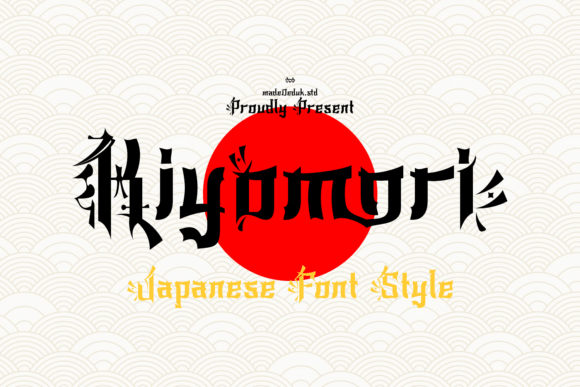
In the competitive landscape of visual communication, designers and brand strategists constantly seek typography that does more than convey information; they need typefaces that embody a specific cultural ethos or emotional weight. Finding a font that authentically represents Japanese aesthetics without resorting to cliché or caricature is a persistent challenge for creative professionals. This is where Kiyomori distinguishes itself as a vital resource. Introducing Kiyomori, a typeface that presents a strong visual character inspired by classic Japanese aesthetics, particularly the spirit of samurai culture and traditional kanji calligraphy. For designers tasked with creating identities that require both historical resonance and contemporary relevance, understanding the functional application of this typeface is essential for achieving impactful results.
Bridging the Gap Between Tradition and Contemporary Edge
The primary obstacle in Japanese-themed design is often the tension between honoring tradition and appealing to modern sensibilities. Many available fonts lean too heavily into archaic styles that feel out of place in digital contexts, or conversely, adopt a generic modernism that strips away cultural nuance. Kiyomori addresses this dichotomy by blending gothic boldness with the expressive soul of Japanese calligraphic art. The letterforms are sharp and angular, featuring pointed terminals that resemble the controlled brush strokes of sumi ink. This deliberate construction ensures that the typeface feels disciplined and commanding rather than merely decorative.
For users aiming to establish a powerful visual identity, this balance is not just an aesthetic choice but a strategic one. The vertical structure of Kiyomori provides the stability required for legibility in headlines and logos, while the diagonal cuts and dramatic edges evoke the precision and energy of a katana blade. This duality allows the font to function effectively across diverse mediums, from high-end luxury packaging to gritty streetwear branding, solving the common problem of finding a versatile typeface that retains its distinct personality at various scales.
Practical Applications for Distinctive Visual Identities
Understanding where and how to deploy Kiyomori is crucial for maximizing its effectiveness. Because of its intense visual character, this typeface excels in specific applications where standard sans-serif or serif fonts might fail to capture the intended mood. Designers should consider Kiyomori for projects that demand immediate attention and cultural specificity.
- Streetwear and Fashion Branding: The fusion of gothic weight and calligraphic flow makes Kiyomori ideal for apparel graphics. It communicates a sense of urban toughness rooted in historical discipline, perfect for brands targeting audiences who value authenticity and bold self-expression.
- Cultural Posters and Event Signage: For festivals, martial arts tournaments, or museum exhibitions, the font’s sumi ink-inspired terminals provide an instant contextual anchor. It signals respect for tradition while maintaining the graphic punch necessary for effective wayfinding and promotional materials.
- Music Titles and Album Art: Genres ranging from traditional folk fusion to modern rock and hip-hop benefit from the typeface's rhythmic energy. The dramatic edges create dynamic compositions that mirror the auditory experience of the music.
- Editorial Headlines and Feature Stories: When covering topics related to Japanese history, craftsmanship, or modern subcultures, using Kiyomori for display text sets an immersive tone before the reader even engages with the body copy.
In each of these scenarios, the font delivers a bold, artistic, and distinctive presence. However, successful implementation requires treating Kiyomori as a focal point rather than a utility. Its strength lies in its ability to anchor a design system, providing a thematic cornerstone around which other, more neutral elements can be organized.
Navigating Typography Hierarchy and Pairing Strategies
A common pitfall when working with highly stylized display fonts is overuse. Kiyomori’s sharp angles and dense ink traps command significant visual real estate. To maintain readability and professional polish, users must approach hierarchy with intention. This typeface is best utilized for short-form content such as logotypes, taglines, section headers, and pull quotes. Attempting to use it for extended body text will likely result in reader fatigue due to the complexity of the letterforms.
Effective pairing is equally important. Because Kiyomori blends gothic boldness with calligraphic expression, it pairs exceptionally well with clean, geometric sans-serifs or minimalist humanist typefaces. A neutral companion font allows the samurai-inspired details of Kiyomori to shine without competing for attention. For example, in a streetwear lookbook, Kiyomori might serve as the season title, while a simple grotesque handles product descriptions and pricing. This contrast reinforces the dramatic nature of the display font while ensuring the practical information remains accessible. The combination of classic influence and contemporary edge makes this typeface dramatic yet highly relevant for modern design contexts, provided the supporting typography respects its dominant role.
Considerations for Different User Needs
Different stakeholders interact with Kiyomori based on varying objectives, and recognizing these distinctions helps streamline the design process.
Brand Strategists and Marketers
For this group, the goal is differentiation. In saturated markets, Kiyomori offers a proprietary feel that separates a brand from competitors using standard international typefaces. The association with samurai culture implies values such as mastery, honor, and precision. Marketers can leverage these subconscious associations to reinforce brand messaging without explicit verbal explanation. The font becomes a non-verbal cue that elevates perceived value and cultural depth.
Graphic Designers and Art Directors
Designers focus on execution and versatility. The technical construction of Kiyomori—with its precise diagonal cuts and balanced negative space—makes it reliable for layout work. Unlike hand-drawn lettering which can be inconsistent, this digital typeface offers uniform metrics that speed up production while retaining an organic aesthetic. Designers should explore the font’s OpenType features if available, looking for alternate characters or ligatures that further enhance the calligraphic illusion for custom logo treatments.
Cultural Consultants and Educators
When accuracy and respect are paramount, Kiyomori serves as a respectful homage rather than a stereotype. Its basis in actual sumi ink techniques and gothic structures demonstrates research and appreciation. Users in this category can recommend the typeface as a tool for educational materials or cultural representation that avoids the pitfalls of "orientalist" design tropes, focusing instead on the structural beauty of Japanese typographic traditions.
Implementing Kiyomori for Maximum Impact
To fully realize the potential of Kiyomori, users should treat the selection of this typeface as a commitment to a specific narrative. It is not a neutral vessel; it is an active participant in storytelling. When integrating it into a project, consider the surrounding whitespace. The sharp, angular nature of the glyphs requires breathing room to prevent the composition from feeling cluttered or aggressive. Generous margins and padding allow the "katana blade" precision of the edges to cut through the noise effectively.
Furthermore, color selection plays a pivotal role in how the font is perceived. High-contrast combinations, such as black on white or deep indigo on cream, emphasize the sumi ink heritage. Conversely, neon accents against dark backgrounds push the aesthetic toward cyberpunk or futuristic interpretations, showcasing the font's adaptability. Regardless of the palette, the key to success lies in restraint and context. By understanding Kiyomori as a bridge between the disciplined past and the expressive present, designers can create work that is not only visually striking but culturally resonant and commercially effective. This thoughtful approach transforms a simple font choice into a comprehensive design solution that meets the complex demands of modern visual communication.