Evaluating Wildchill Font for Creative Design Projects
Selecting the appropriate typeface is a foundational decision in any design project. Typography does not merely convey text; it establishes tone, influences readability, and contributes significantly to brand identity. For designers seeking a natural, organic aesthetic, Wildchill presents a specific set of characteristics worth evaluating. This font is designed with a soft, unique touch that distinguishes it from standard geometric or humanist sans-serifs. Understanding the practical applications, technical compatibility, and stylistic limitations of Wildchill is essential for determining whether it aligns with current project requirements.
Defining the Visual Characteristics of Wildchill
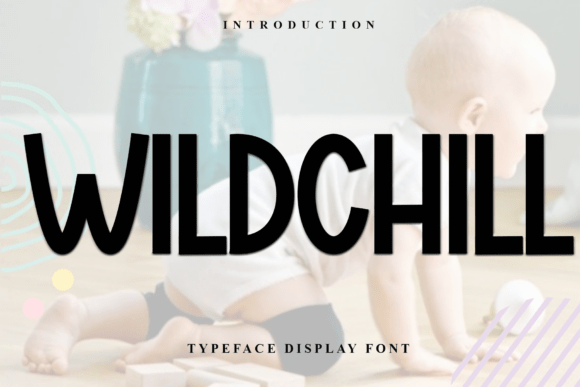
Wildchill is categorized as a display typeface with a distinctively natural style. Its primary differentiator is the construction of its strokes, which avoid rigid uniformity in favor of fluid, hand-drawn aesthetics. The letterforms exhibit varying stroke widths and subtle irregularities that mimic organic writing instruments rather than digital precision. This "soft touch" creates an approachable and warm visual texture.
Unlike script fonts that rely on connecting ligatures, Wildchill maintains individual character separation while retaining a cohesive flow. This balance allows for greater flexibility in spacing and layout. The font includes a comprehensive set of characters, supporting extended language sets and special symbols often required in commercial packaging or editorial design. When evaluating this typeface, it is important to recognize that its value lies in its personality; it is a stylistic choice intended to evoke emotion and craftsmanship rather than pure utilitarian function.
Strategic Applications and Ideal Use Cases
The versatility of Wildchill makes it suitable for various creative fields, but it performs best in specific contexts where a human element is desired. Designers should consider this typeface for projects that benefit from an artisanal or bespoke quality.
- Product Packaging: The organic strokes complement natural products, eco-friendly branding, and handmade goods. The font’s texture suggests authenticity, which can enhance consumer trust in categories like organic food, skincare, or sustainable fashion.
- Event Stationery: Wedding invitations, greeting cards, and event signage often require typography that feels personal yet legible. Wildchill offers a middle ground between formal calligraphy and casual handwriting, making it appropriate for modern romantic or rustic themes.
- Social Media Graphics: In digital environments dominated by clean sans-serif system fonts, Wildchill provides necessary contrast. It functions effectively as a headline or accent font to stop the scroll and draw attention to key messages without sacrificing readability at standard screen resolutions.
- Craft and DIY Content: For brands targeting the maker community, the font’s aesthetic aligns naturally with the values of creativity and manual skill. It reinforces the thematic connection between the content and the audience.
Technical Compatibility and Workflow Integration
A critical factor in font selection is technical reliability across different environments. Wildchill is noted for its compatibility with Windows and open-source platforms. This cross-platform support reduces friction in collaborative workflows where team members may use different operating systems or software suites.
For designers working in open-source ecosystems using tools like GIMP, Inkscape, or Scribus, finding high-quality display fonts with proper kerning and hinting can sometimes be challenging. Wildchill’s optimization for these platforms ensures that rendering remains consistent outside of proprietary Adobe environments. However, users should always verify OpenType feature support within their specific software version. While the font includes various characters, accessing alternates or ligatures may require specific glyph panel functionality that varies between applications. Testing the font file in the intended production environment before finalizing a design system is a recommended best practice.
Tradeoffs and Design Considerations
While Wildchill offers significant aesthetic benefits, objective evaluation requires acknowledging its limitations. No single typeface is universally appropriate, and understanding where this font falls short is as important as knowing its strengths.
Legibility at Small Sizes
Due to its intricate stroke details and organic variance, Wildchill is primarily a display font. It is optimized for headlines, titles, and short bursts of text. Using this typeface for body copy, captions, or small-scale UI elements will likely result in poor readability. The soft edges that make it attractive at large sizes become visual noise when scaled down. Designers must pair Wildchill with a highly legible sans-serif or serif for supporting text to maintain functional hierarchy.
Tone Specificity
The distinctive character of Wildchill carries a strong inherent mood. It reads as informal, gentle, and natural. Consequently, it may be unsuitable for corporate finance, legal services, medical technology, or luxury sectors that demand precision, authority, or stark minimalism. Attempting to force this aesthetic into a rigid or serious context can create cognitive dissonance for the viewer. The font dictates the tone of the design as much as the imagery does.
Licensing and Commercial Use
When integrating any third-party asset into professional work, verifying licensing terms is mandatory. While Wildchill is accessible, users must confirm whether their specific use case (e.g., web embedding, app integration, or merchandise resale) is covered under the acquired license. Open-source compatibility does not automatically imply unrestricted commercial usage for all derivatives.
Comparing Alternatives
If Wildchill does not fully meet project criteria, several alternatives warrant consideration based on specific needs:
- For Higher Formality: If the organic feel of Wildchill is too casual but a humanist touch is still needed, consider refined serifs like Playfair Display or Lora. These offer warmth with greater structural discipline.
- For Better Body Copy Integration: If a unified family that covers both display and text is required, look toward super-families like Montserrat or Roboto Slab. These lack Wildchill’s unique flair but offer superior versatility across entire design systems.
- For Stronger Handwritten Aesthetics: If Wildchill feels too structured and a true script is preferred, explore options like Great Vibes or Allura. These provide higher emotional intensity but sacrifice the standalone legibility that Wildchill maintains.
Making the Final Selection Decision
The decision to implement Wildchill should stem from a clear alignment between the font’s attributes and the project’s communication goals. It is a strong candidate when the objective is to soften a brand’s image, add tactile quality to digital designs, or signal natural authenticity. Its cross-platform compatibility further supports its viability for diverse teams and open-source advocates.
However, successful implementation depends on restraint. Treat Wildchill as a seasoning rather than the main ingredient. Use it to highlight key information and establish atmosphere, while relying on neutral typefaces to carry the functional load of information delivery. By respecting its role as a display tool and acknowledging its contextual boundaries, designers can leverage Wildchill to create work that is both visually appealing and strategically sound. Ultimately, the font serves those who prioritize emotional resonance and organic beauty within a structured design framework.