Prion Font: Bold Decorative Display Typography
In the crowded world of visual design, capturing attention within seconds is often the difference between success and being scrolled past. Prion is a stunning decorative display font specifically engineered to serve as the focal point of your creative projects. Unlike standard body text typefaces designed for long-form reading, this typeface brings a strong visual personality and unique artistic elements to the forefront. It is crafted for creators, marketers, and business owners who need to break away from ordinary aesthetics and establish a memorable brand identity.
The primary purpose of Prion is to provide high-impact typography that feels both artistic and professionally polished. While many decorative fonts sacrifice legibility for style, this typeface maintains a structured finish suitable for commercial use. Whether you are designing a logo for a new startup or creating packaging for an artisanal product, Prion offers the versatility needed to make bold statements without looking amateurish. It bridges the gap between raw artistic expression and functional graphic design, making it an essential tool for those who want their headlines to carry weight.
Key Characteristics and Design Value
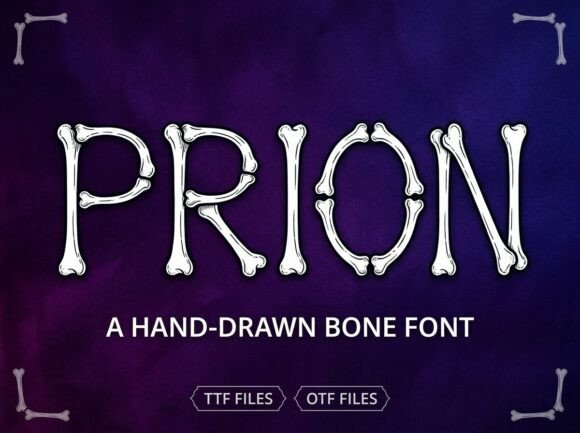
Understanding the specific traits of Prion helps in leveraging its full potential. The most defining characteristic is its exclusive uppercase composition. Every letterform has been meticulously designed as a standalone piece of art, optimized for maximum visual impact when used in all-caps settings. This intentional limitation allows for greater detail and consistency in stroke weight and ornamentation that might be lost if lowercase characters were included.
Beyond its capital-only structure, the font features distinct stylistic nuances that set it apart from generic display faces. The letterforms possess a contemporary edge while retaining enough classic proportion to remain timeless. This balance makes it particularly valuable for projects that require a sense of established quality alongside modern creativity. For designers tired of overused sans-serifs or predictable scripts, Prion introduces a fresh texture to layouts. It solves the common problem of finding a headline font that feels custom-drawn rather than pulled from a standard system library.
Practical Applications Across Industries
Versatility is a core strength of this decorative display font. Because it commands attention so effectively, it excels in environments where hierarchy and emphasis are critical. Here are several practical contexts where Prion performs exceptionally well:
- Brand Identity and Logos: The strong geometric foundation and artistic flair make it ideal for wordmarks and logotypes. It provides instant character for fashion labels, tech startups, or creative agencies looking to define their visual voice.
- Product Packaging: On shelves where competition is fierce, packaging needs to pop. Prion works beautifully on wine labels, cosmetic boxes, and specialty food items where the product name needs to feel premium and handcrafted.
- Digital Headlines and Social Media: In web design and social graphics, readability at smaller sizes is key. Despite its decorative nature, the bold strokes of Prion remain clear on screens, making it perfect for Instagram stories, YouTube thumbnails, and website hero sections.
- Event Collateral: From concert posters to wedding invitations, event typography sets the mood. This font adds a layer of sophistication and excitement that standard serif fonts simply cannot achieve.
- Merchandise Design: T-shirts, tote bags, and stickers rely heavily on typography. Prion’s artistic letterforms turn simple text into wearable art, increasing the perceived value of promotional merchandise.
Important Considerations Before Licensing
While Prion is a powerful asset, it is crucial to understand its technical parameters to ensure it fits your workflow. Prospective users must note that this is strictly an ALL-CAPS Uppercase Only display typeface. It does not include lowercase letters. Typing in lowercase keys will typically result in duplicate uppercase glyphs or empty spaces depending on your software. This design choice is intentional, focusing entirely on high-impact headlines, logos, and decorative initials where every character serves as a visual anchor.
This limitation means Prion should never be used for body copy, paragraphs, or extensive blocks of text. Attempting to force it into long-form content will result in poor readability and visual fatigue. Instead, pair it with a clean, neutral sans-serif or a highly legible serif for supporting text. This contrast not only adheres to typographic best practices but also amplifies the decorative impact of Prion by giving the eye a place to rest.
File Formats and Technical Compatibility
When you acquire Prion, you receive industry-standard files ensuring seamless integration into your existing design ecosystem. Understanding the difference between the included formats helps in choosing the right one for your specific platform:
- OTF (OpenType Font): This is the professional standard preferred by advanced design and layout software like Adobe Illustrator, InDesign, and Photoshop. OpenType files support advanced typographic features and generally offer better rendering for print and complex digital layouts. If you are working in a professional creative suite, OTF is typically the recommended choice.
- TTF (TrueType Font): This format ensures universal compatibility across all devices and operating systems, including Windows, macOS, and various mobile platforms. TTF is often the safer bet for non-design applications like Microsoft Word, PowerPoint, or basic online design tools like Canva. It guarantees that the font installs correctly regardless of your hardware setup.
Having both formats included eliminates compatibility headaches, allowing freelancers and agency teams to share assets across different workflows without worrying about missing fonts or substitution errors. Whether you are preparing a print-ready PDF or a digital banner ad, the appropriate file type is readily available.
Making the Most of Decorative Typography
To truly maximize the value of Prion, consider how spacing and color interact with its unique forms. Because the letterforms are artistically detailed, tight tracking (letter spacing) can sometimes cause visual clutter. Experimenting with slightly wider tracking can enhance legibility and give each character room to breathe, reinforcing the premium feel of the design. Conversely, tighter spacing may work for massive billboard-sized headlines where the collective shape of the word matters more than individual letter distinction.
Color selection also plays a pivotal role. High-contrast combinations, such as white text on a dark background or vice versa, tend to showcase the intricate details of Prion best. Subtle gradients or metallic textures can further elevate the artistic quality, especially in packaging and branding contexts. However, avoid overly busy backgrounds that compete with the font’s inherent complexity. Let the typography be the star, using supporting elements to frame rather than distract.
Ultimately, Prion represents a strategic choice for creators who understand that typography is more than just text; it is a visual language. By respecting its all-caps nature and pairing it thoughtfully with complementary elements, you transform simple words into compelling visual experiences. Whether for a personal passion project or a major commercial campaign, this font provides the distinctive edge needed to stand out in today’s saturated visual landscape.