Susan: Strategic Application of a High-Impact Decorative Display Font
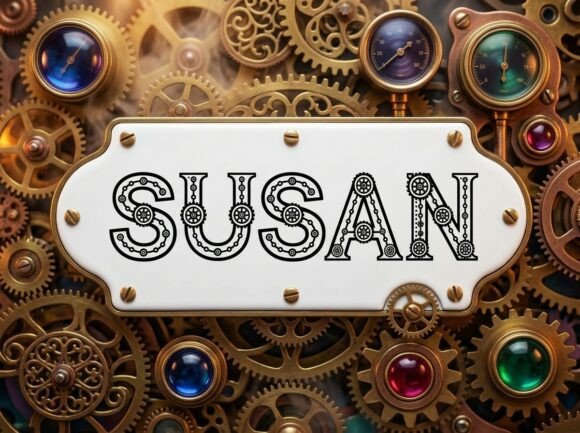
In the crowded landscape of digital and print design, typography often serves as the primary differentiator between a generic template and a distinct brand identity. Susan is a stunning decorative display font designed specifically to be the center of attention, offering creators a tool to break away from ordinary visual communication. However, acquiring a typeface with such a strong visual personality requires more than just installation; it demands a strategic approach to integration. For entrepreneurs, marketers, and designers, understanding the functional constraints and aesthetic capabilities of Susan is essential for leveraging it effectively in branding, packaging, and editorial layouts.
This typeface is not a utility player intended for body copy or interface text. It is a specialized asset engineered for high-impact moments. By treating Susan as a strategic design element rather than a default text option, professionals can enhance brand positioning and improve audience engagement. The following analysis explores how to integrate this all-caps display font into your creative workflow while maintaining professional polish and operational efficiency.
Defining the Strategic Role of Decorative Typography
Before incorporating Susan into a project, it is vital to define its specific role within the broader typographic hierarchy. This font features unique artistic elements that command immediate cognitive processing from the viewer. In marketing psychology, this interruption of pattern is valuable, but only when applied intentionally. Susan functions best as an anchor point—a visual hook that guides the viewer’s eye to the most critical information first.
For small business owners and freelancers, the decision to use a decorative font should align with brand values. If your goal is to convey heritage, artisanal quality, or bold creativity, Susan supports that narrative through its intricate detailing. Conversely, if your brand relies on minimalism or rapid information scanning, this typeface may introduce unnecessary friction. The strategic value lies in matching the font’s inherent personality with the emotional response you intend to elicit from your audience. When used correctly, it elevates perceived value; when used arbitrarily, it creates visual noise.
Navigating Technical Specifications and File Formats
Operational readiness begins with understanding the technical assets provided. Susan includes both OTF (OpenType Font) and TTF (TrueType Font) files, each serving distinct purposes in a professional workflow. Making the right choice ensures compatibility and preserves design integrity across different platforms.
- OTF (OpenType Font): This is the professional standard for advanced design and layout software like Adobe Illustrator, InDesign, and Affinity Designer. OpenType format supports advanced typographic features and ligatures, which are often crucial for decorative fonts where letter interactions define the aesthetic. Use OTF for primary branding materials, packaging design, and high-resolution print work.
- TTF (TrueType Font): This format offers universal compatibility across devices and operating systems, including Microsoft Office applications and older design tools. While it may lack some advanced OpenType features, TTF ensures that your designs remain consistent when shared with clients, vendors, or team members who do not have access to professional creative suites.
Selecting the appropriate file format prevents downstream production issues. For example, sending a TTF version to a commercial printer alongside your OTF master file can serve as a safety net, ensuring the font renders correctly even if their RIP software encounters parsing errors with complex OpenType glyphs.
Critical Constraints: Managing the All-Caps Uppercase Limitation
The most significant operational consideration for Susan is that it is an ALL-CAPS uppercase-only display typeface. It does not include lowercase letters. This is not a bug or a missing feature; it is a deliberate design constraint that defines its use case. Understanding this limitation is paramount for avoiding costly redesigns or awkward typographic treatments.
Because every character is designed as a standalone work of art, mixing this font with forced lowercase styling (which some software attempts to simulate by scaling down capitals) will destroy the visual balance. The spacing, weight distribution, and artistic flourishes are calibrated exclusively for capital forms. Strategically, this means Susan must be reserved for environments where all-caps text is appropriate and legible.
Appropriate Use Cases for Uppercase-Only Type
Given the uppercase constraint, planning your layout requires foresight. You cannot use Susan for sentences, paragraphs, or any content requiring mixed-case hierarchy. Instead, focus on these high-value applications:
- Bold Headlines and Titles: Use short, punchy phrases where the all-caps treatment adds authority and emphasis. Three to five words is typically the sweet spot for maintaining readability.
- Artistic Logos and Wordmarks: The unique letterforms provide built-in customization, reducing the need for manual vector manipulation when creating brand identifiers.
- Creative Packaging and Labels: Product names, flavor variants, and collection titles benefit from the decorative nature of the font, helping products stand out on physical shelves.
- Decorative Initials and Monograms: Since each letter is distinct, Susan excels in drop-cap scenarios or personalized merchandise where individual characters carry significant weight.
- Event Signage and Posters: Large-format printing allows the intricate details of the font to shine without compromising legibility at smaller sizes.
Pairing Strategies for Professional Balance
A common risk when using a font with a strong visual personality is allowing it to overwhelm the entire composition. Susan is the protagonist of your typographic story, but it needs supporting characters to function effectively. Strategic pairing is what separates amateur designs from professional, polished outcomes.
When selecting companion typefaces, prioritize contrast over similarity. Because Susan is highly decorative and textured, pair it with clean, neutral sans-serifs or simple geometric typefaces for subheadings and body copy. A minimalist grotesque or humanist sans-serif provides necessary breathing room, allowing Susan’s artistic elements to register clearly without competing for attention. Avoid pairing Susan with other script, blackletter, or heavily stylized display fonts, as this creates visual conflict and reduces overall comprehension.
Consider the negative space as well. Decorative fonts require generous margins and padding. Crowding Susan against other elements diminishes its impact and makes the design feel cluttered. In web design and social media graphics, ensure sufficient contrast ratios and sizing so that the decorative details remain crisp on various screen resolutions.
Risk Mitigation and Accessibility Considerations
While Susan is aesthetically striking, responsible design requires acknowledging potential accessibility challenges. Highly decorative all-caps typefaces can be difficult for users with dyslexia or visual impairments to parse quickly. To mitigate this risk, never use Susan for functional navigation, critical instructions, legal disclaimers, or lengthy informational content.
Always provide semantic alternatives in digital contexts. When using Susan in web headings, ensure proper HTML tag structure so screen readers interpret the content correctly regardless of visual styling. In print and packaging, verify that key information remains legible at actual size before finalizing production. What looks beautiful on a 27-inch monitor may become illegible on a business card or product label. Testing across multiple formats and sizes is a non-negotiable step in the planning process.
Making Intentional Design Decisions
The ultimate measure of success with Susan is not whether it looks attractive in isolation, but whether it serves your communication goals. Before purchasing or deploying this font, ask yourself specific strategic questions. Does this typeface reinforce my brand’s core message? Am I using it to solve a specific visual problem, or simply because it is trendy? Do I have a clear plan for supporting typefaces that will maintain hierarchy and readability?
Intentional use also involves recognizing when not to use Susan. If your project requires extensive text, multilingual support beyond the included character set, or subtle tonal variation, this font may not be the right tool. Acknowledging these boundaries early saves time and resources. For creators committed to breaking away from the ordinary while maintaining professional standards, Susan offers a powerful opportunity—but only when wielded with discipline, foresight, and respect for its unique characteristics.
By approaching this typeface as a strategic asset rather than mere decoration, you transform it from a novelty into a reliable component of your creative toolkit. The result is work that captures attention not just momentarily, but meaningfully—creating lasting impressions that support long-term brand recognition and audience connection. Whether you are designing a luxury product line, rebranding a creative studio, or crafting editorial spreads, thoughtful application of Susan ensures your visual communication remains both distinctive and effective.