Arcex: A Practical Guide to Using Bold Stencil Typography Effectively
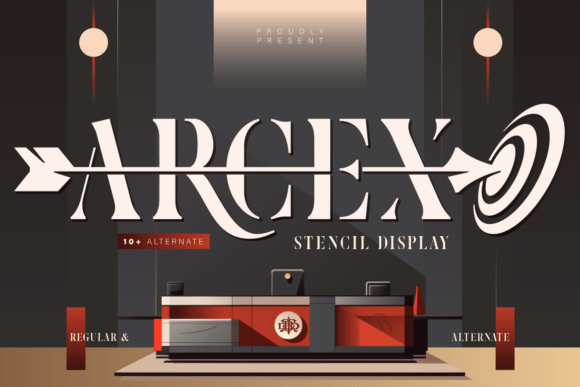
Arcex is a bold stencil display font that commands attention through sharp cuts and strong, geometric letterforms. It is specifically engineered for high-impact applications like logo design, branding identity, and editorial headlines. When you choose Arcex, you are selecting a typeface that communicates authority, modernity, and structural integrity. However, the very features that make this font powerful—its aggressive weight and distinct stencil gaps—are also what make it unforgiving if misapplied. Many designers and business owners are drawn to its distinctive vibe for finance, corporate, and startup projects, but achieving a professional result requires more than just installing the file and typing your brand name.
The appeal of Arcex lies in its ability to create a memorable visual identity instantly. It bridges the gap between industrial utility and contemporary corporate aesthetics. Yet, because it is a display font with such specific characteristics, treating it like a standard sans-serif leads to poor readability and amateurish design outcomes. Understanding the nuances of this typeface is essential for ensuring your investment in branding translates into effective communication rather than visual noise.
Common Pitfalls in Stencil Application
The most frequent mistake when working with Arcex is underestimating the importance of negative space. Stencil fonts rely entirely on the "bridges" or gaps that keep the inner counters of letters attached. In digital mockups at large sizes, these gaps look intentional and stylish. However, when scaled down for business cards, mobile screens, or embroidery, those same gaps can cause the letters to visually disintegrate. If the bridge width is thinner than the output resolution or material capability, the letterform fails.
Another critical error is using Arcex for extended body copy. This typeface is designed for headlines, not paragraphs. The cognitive load required to read stencil lettering is significantly higher than that of standard text. When used for long-form content, the broken forms disrupt reading flow, causing fatigue and reducing comprehension. While Arcex brings a professional edge to titles and short taglines, applying it to descriptions or legal text undermines usability and frustrates the audience. Reserve this font for moments where brevity and impact are the primary goals.
Evaluating Legibility Across Mediums
Before committing Arcex to a project, you must test it in the actual environment where it will live. A logo that looks robust on a 27-inch monitor may become illegible when reduced to a 16x16 pixel favicon. The geometric structure of Arcex is precise, but precision does not always equal clarity at micro-sizes. For financial institutions or corporate entities where trust is paramount, illegibility suggests carelessness. Always verify that the character recognition remains instant at the smallest intended size. If the stencil breaks compromise readability, consider using a solid-weight alternative for secondary applications while keeping Arcex for primary signage and hero headers.
Print production introduces another layer of complexity. Ink spread on uncoated paper can fill in the delicate stencil bridges, turning a sophisticated display font into a muddy blob. Conversely, laser cutting or vinyl application requires bridges wide enough to prevent material failure during weeding. Digital perfection does not guarantee physical success. Consult with your printer or manufacturer regarding minimum line weights before finalizing files. Adjusting tracking or slightly modifying bridge widths in vector software is often necessary to ensure the physical output matches the digital proof.
Pairing and Hierarchy Mistakes
Arcex has a dominant personality. A common oversight is pairing it with other display fonts or highly stylized serifs that compete for attention. This creates visual conflict and dilutes the brand message. Because Arcex is geometric and bold, it requires a supporting typeface that provides contrast through simplicity. A clean, neutral sans-serif or a highly legible serif for body text allows Arcex to function as the anchor without overwhelming the layout. The goal is balance, not competition.
Hierarchy issues also arise when designers use Arcex for multiple levels of information. Using the same bold stencil for the main headline, subhead, and call-to-action flattens the design and confuses the viewer’s eye. Effective typography guides the reader through content in a specific order. Use Arcex strictly for the top tier of hierarchy. Let your secondary typeface handle subheads and navigation. This restraint actually enhances the power of Arcex by making its appearances feel deliberate and significant rather than repetitive.
Licensing and Technical Verification
Beyond aesthetic considerations, practical due diligence is non-negotiable. Before purchasing or downloading Arcex, verify the licensing terms match your intended use. Desktop licenses typically cover print and static images, but webfont, app, or e-pub usage often requires separate agreements. Assuming a single license covers all touchpoints can lead to legal complications and unexpected costs later. For commercial branding, especially in regulated industries like finance, ensuring proper licensing is part of professional risk management.
Technical file quality also varies between sources. Ensure you are obtaining Arcex from a reputable foundry or marketplace that provides complete OpenType features. Missing glyphs, inconsistent kerning pairs, or lack of currency symbols can halt a project mid-stream. Test the full character set early in the design phase. Discovering that the font lacks a specific accent mark or symbol needed for international markets after the brand guidelines are approved is a costly setback. Comprehensive testing prevents rework and ensures the typeface supports the brand’s global or functional requirements.
Making an Informed Decision
Choosing Arcex should be a strategic decision based on brand values, not just current trends. Ask whether the bold, segmented nature of the font aligns with the organization's identity. Does the company value transparency and structure? Arcex communicates these traits well. Is the brand focused on softness, tradition, or luxury? A hard-edged stencil might send mixed signals. Context matters as much as aesthetics. Review competitor landscapes to ensure Arcex differentiates the brand rather than blending into a sea of similar geometric displays.
- Test at extreme sizes: Verify legibility at both billboard scale and mobile icon scale before approval.
- Check production constraints: Confirm bridge widths meet minimum specifications for print, cut vinyl, or embroidery.
- Validate licensing scope: Ensure coverage for all intended digital and physical touchpoints.
- Audit character sets: Confirm support for required languages, symbols, and punctuation.
- Establish clear hierarchy rules: Define exactly where Arcex applies and where it is prohibited in brand guidelines.
Ultimately, Arcex is a specialized tool. Its strength lies in its specificity. By respecting its limitations and leveraging its bold geometry intentionally, you can build a visual identity that is both striking and functional. Avoid the temptation to force it into roles it was not designed for. When applied with discipline and foresight, Arcex delivers the professional, memorable impact that modern brands require. The difference between a generic stencil logo and a timeless brand mark often comes down to these practical adjustments and thoughtful evaluations. Invest the time upfront to get the details right, and the typeface will serve as a reliable foundation for your visual communication strategy.