Evaluating Sunday Spring: A Practical Guide to Playful Display Typography
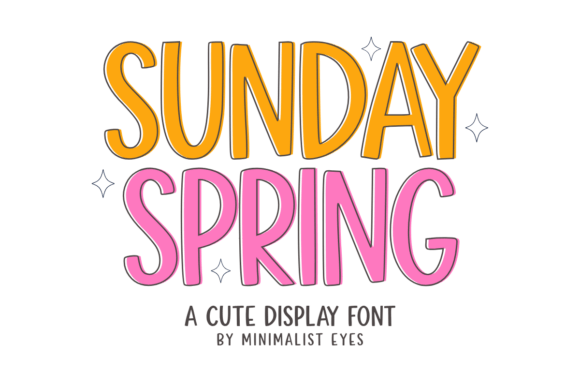
Selecting the appropriate typeface for creative projects often involves balancing aesthetic appeal with functional legibility. For designers, crafters, and content creators seeking to evoke a sense of warmth and optimism, Sunday Spring presents a distinct option within the display font category. Designed by Minimalist Eyes, this typeface is characterized by tall, quirky letterforms and a hand-drawn texture that mimics the organic imperfections of marker or brush pen lettering. Unlike standard sans-serif or serif families designed for utility, Sunday Spring serves a specific emotional purpose: bringing the freshness of a sunny morning to visual compositions.
However, choosing a display font requires more than an initial positive reaction to its style. It demands an evaluation of how the typeface performs across different media, how it compares to other playful alternatives, and where its limitations lie. This analysis explores the practical applications, tradeoffs, and decision-making factors associated with Sunday Spring to help you determine if it aligns with your current project requirements.
Defining the Aesthetic and Functional Characteristics
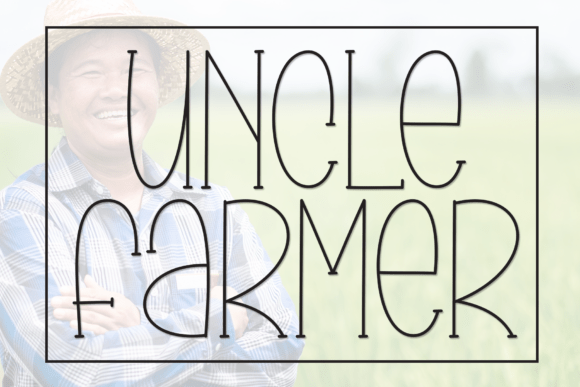
To understand where Sunday Spring fits in a typography toolkit, one must first dissect its specific design attributes. The font falls squarely into the "cute display" classification, but it distinguishes itself through verticality. Many playful fonts utilize rounded, wide proportions that can consume significant horizontal space. In contrast, Sunday Spring features condensed, tall letterforms. This structural choice allows for larger point sizes in narrow layouts, such as social media graphics or vertical poster designs, without sacrificing the whimsical energy essential to the genre.
The hand-drawn charm is another critical differentiator. Rather than relying on perfect geometric curves, the strokes exhibit natural variation in weight and termination. This organic quality prevents the text from appearing sterile or overly digital, making it particularly effective for projects that aim to feel personal or artisanal. When evaluating this font, consider that its primary strength lies in this tactile authenticity. It bridges the gap between professional digital design and DIY aesthetics, offering a polished yet approachable look that pure handwriting fonts sometimes lack due to inconsistent spacing or poor kerning.
Comparing Sunday Spring to Alternative Display Styles
When researching typography options, it is helpful to compare Sunday Spring against adjacent categories to clarify its unique value proposition. Understanding these distinctions prevents mismatched expectations regarding readability and tone.
- Versus Traditional Handwriting Fonts: Authentic handwriting scripts often struggle with legibility at smaller sizes or in longer phrases. Sunday Spring maintains the illusion of hand-lettering while adhering to stricter typographic grid standards. If your project requires extended sentences or secondary information, Sunday Spring offers superior readability compared to unstructured script fonts, though it lacks the fluid connectivity of cursive styles.
- Versus Geometric Display Sans-Serifs: Modern geometric fonts provide cleanliness and scalability but can feel cold or corporate. Sunday Spring trades some of that structural rigidity for emotional resonance. While a geometric sans might be better for high-contrast signage or tech branding, Sunday Spring is preferable when the goal is intimacy, nostalgia, or joy.
- Versus Vintage/Retro Revivals: Retro fonts often carry heavy cultural baggage or specific era associations (e.g., 70s groovy or 90s grunge). Sunday Spring is deliberately timeless within its niche. It avoids specific historical references, making it a safer choice for evergreen content like nursery art or seasonal greetings that should not feel dated after a single use.
Optimal Use Cases and Application Scenarios
The versatility of a display font is measured by its adaptability across various formats. Based on its design metrics and visual tone, Sunday Spring demonstrates particular efficacy in several key areas. These applications leverage the font’s tall aspect ratio and cheerful demeanor to solve specific design challenges.
Nursery Art and Children’s Products
In the realm of children’s design, avoiding clichés is a common challenge. Many fonts in this category lean toward overly juvenile or cartoonish aesthetics that age poorly. Sunday Spring offers a sophisticated alternative. Its clean lines and balanced proportions make it suitable for wall art, book covers, and educational materials that appeal to both children and the adults purchasing them. The font strikes a balance between playfulness and modern minimalism, ensuring designs remain stylish rather than saccharine.
Social Media and Digital Content
Digital platforms impose strict spatial constraints. Instagram stories, Pinterest pins, and TikTok overlays require typography that captures attention instantly without cluttering the visual field. The vertical emphasis of Sunday Spring allows designers to maximize font size within portrait-oriented canvases. Furthermore, the textured stroke details remain visible even when compressed by social media algorithms, whereas smoother vector fonts can sometimes appear flat or lost against busy photographic backgrounds.
Greeting Cards and Stationery
For print products, texture matters. Sunday Spring translates exceptionally well to paper goods because its irregularities mimic physical ink deposition. Whether used for wedding invitations, birthday cards, or thank-you notes, the font adds a layer of perceived craftsmanship. When pairing this font with others for stationery, it functions best as a headline or focal point, anchored by a simple, neutral sans-serif or serif for body copy to ensure the overall layout remains breathable and elegant.
Tradeoffs, Limitations, and Decision Factors
No typeface is universally applicable. A professional evaluation must acknowledge where Sunday Spring may fall short. Recognizing these limitations early saves time during the design iteration process and ensures the final output meets accessibility and usability standards.
Legibility at Small Sizes: Due to its decorative nature and stroke variation, Sunday Spring is not optimized for body text or fine print. At sizes below 18–24 points (depending on output resolution), the intricate details may degrade, and the quirky letterforms can become difficult to parse rapidly. If your design requires extensive explanatory text, this font should be restricted to titles, pull quotes, or short labels only.
All-Caps Usage: Like many hand-drawn display fonts, Sunday Spring was designed with mixed-case usage in mind. Setting the entire typeface in uppercase can create a monotonous rhythm and reduce the friendly, conversational tone that defines its character. Designers should test all-caps settings carefully; in many cases, title case or sentence case will yield a more harmonious and readable result.
Tone Specificity: The font’s inherent cheerfulness is a double-edged sword. It is ill-suited for serious, somber, or highly corporate contexts. Attempting to force Sunday Spring into a luxury fashion editorial, legal document, or minimalist tech interface will likely result in tonal dissonance. It is crucial to match the font’s personality with the brand voice. If the objective is authority, exclusivity, or neutrality, alternative typefaces with more rigid structures are necessary.
Licensing and Commercial Viability
For professionals and small business owners, licensing is as important as aesthetics. Before committing to Sunday Spring for commercial projects—such as merchandise for sale, client branding, or monetized content—verify the specific license terms provided by Minimalist Eyes. Display fonts often have tiered licensing structures distinguishing between personal DIY use and commercial application. Ensuring compliance protects your work and supports the type designer. Additionally, check for multilingual support if your project targets non-English speaking audiences, as many boutique display fonts focus primarily on basic Latin character sets.
Making the Final Selection
Deciding whether to incorporate Sunday Spring into your resource library ultimately depends on the intersection of project goals and audience expectations. It is an excellent candidate when the brief calls for warmth, approachability, and a touch of handmade authenticity without sacrificing digital clarity. Its tall, quirky structure solves layout problems in vertical formats, and its timeless playfulness suits evergreen creative niches.
Conversely, if your priority is maximum information density, formal authority, or cross-cultural neutrality, you should continue exploring other categories. By weighing these functional attributes against your specific needs, you can move beyond subjective preference and select typography that actively contributes to the success of your design. Sunday Spring remains a valuable tool for those specific moments when a design needs to feel less like a production and more like a personal gesture, capturing the joyful essence of spring in a versatile, usable format.