Kiddie Scribble: A Practical Guide to Playful Display Typography
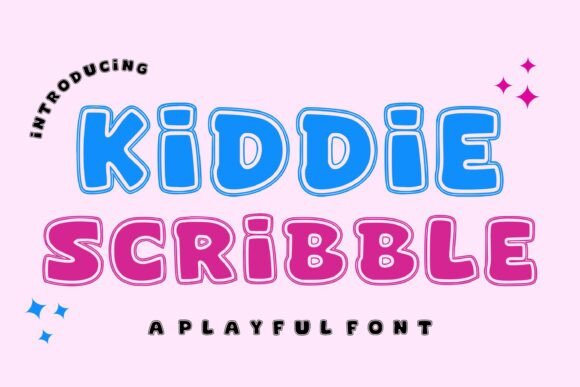
In the vast landscape of digital typography, finding a font that genuinely captures the essence of childhood without looking unprofessional or messy is a unique challenge. Designers and content creators often search for typefaces that convey innocence and energy while maintaining enough structure to be legible and aesthetically pleasing. Kiddie Scribble emerges as a solution to this specific design need. It is a delightful display font that captures the charm of childlike handwriting with a bold, bubbly twist. Unlike standard handwritten scripts that can sometimes appear too delicate or difficult to read at smaller sizes, Kiddie Scribble offers a robust visual weight that makes it ideal for projects requiring immediate impact and emotional connection.
Understanding the utility of this typeface requires looking beyond its surface-level playfulness. For business owners, educators, and creative professionals, Kiddie Scribble represents a strategic design tool. Its rounded shapes, sketch-style outlines, and playful personality make it ideal for designs that need a fun and energetic vibe. However, like any specialized display font, its effectiveness depends entirely on context and application. This guide explores the practical characteristics, best-use scenarios, and important considerations for integrating Kiddie Scribble into your next project.
Defining the Visual Characteristics
To use Kiddie Scribble effectively, one must first understand what distinguishes it from other novelty fonts. The typeface is not merely a random assortment of wobbly lines; it is a carefully constructed balance between organic imperfection and typographic consistency. The combination of soft curves and scribble-like detailing gives it a unique handmade feel that stands out effortlessly against clean, minimalist backgrounds.
The Bold and Bubbly Aesthetic
Many children’s fonts suffer from being too thin, causing them to disappear when used in digital formats or printed on textured paper. Kiddie Scribble addresses this with substantial stroke width. The "bubbly" nature of the letterforms ensures high visibility, making it suitable for headlines and short bursts of text where readability is paramount. This boldness allows the font to function as a graphical element in itself, reducing the need for additional clip art or decorative borders.
Sketch-Style Outlines and Texture
The texture of the font mimics the pressure variation of a marker or crayon. This sketch-style outline adds a layer of tactile authenticity that flat vector fonts often lack. For designers working on branding for kids' products or educational materials, this texture signals approachability and creativity. It suggests that a human hand was involved in the creation process, which fosters trust and warmth in audiences ranging from toddlers to parents.
Strategic Applications Across Industries
Versatility is key when investing time in learning a new typeface. While Kiddie Scribble is undeniably niche, its applications span several industries. Perfect for children’s books, school-themed projects, birthday invitations, posters, and branding, Kiddie Scribble adds a joyful and creative touch to any layout. Below are specific scenarios where this font delivers measurable value.
- Educational Materials: Worksheets, flashcards, and classroom signage benefit from the font's friendly demeanor. It reduces anxiety for early learners and makes instructional content feel less rigid.
- Event Stationery: For birthday parties, baby showers, and family reunions, the font sets an immediate tone of celebration. It pairs exceptionally well with pastel color palettes and photographic elements.
- Product Packaging: Brands targeting the youth demographic can use Kiddie Scribble for flavor names, age recommendations, or promotional callouts on packaging to create shelf appeal.
- Digital Content Creation: Social media graphics, YouTube thumbnails, and blog headers utilize the font’s high contrast to stop the scroll and capture attention in crowded feeds.
Evaluating Suitability for Your Project
Just because a font is charming does not mean it is the right choice for every task. Professional designers must evaluate suitability based on hierarchy, medium, and audience expectations. Bring your ideas to life with the cheerful spirit of Kiddie Scribble, but only after confirming it aligns with your functional requirements.
Readability vs. Personality
Kiddie Scribble is classified as a display font, meaning it is designed for large sizes. It should rarely be used for body copy or long-form reading. When evaluating this font for a project, ask yourself if the text serves as a focal point or supporting information. If the text exceeds three or four words, consider pairing Kiddie Scribble with a clean sans-serif typeface like Open Sans or Montserrat. This pairing maintains the playful atmosphere while ensuring that essential details—such as dates, prices, or instructions—remain instantly readable.
Medium Considerations
The intricate details of the sketch-style outlines behave differently across various media. In print, ensure your resolution is high enough (typically 300 DPI) to prevent the edges from appearing pixelated or muddy. On screens, test the font at various viewport sizes. Because the letterforms are bold, they generally scale down better than fine script fonts, but they may lose their internal texture at very small mobile sizes. Always prototype your design in the final environment before committing to the typeface.
Best Practices for Implementation
Achieving a professional result with a playful font requires discipline. Without proper spacing and color management, even the most beautiful typeface can look amateurish. Follow these guidelines to maximize the potential of Kiddie Scribble.
- Mind the Tracking: Handwritten-style fonts often have irregular side bearings. Avoid tightening the tracking (letter-spacing) too much, as this can cause the bubbly shapes to collide and become illegible. Conversely, excessive spacing can break the word shape. Opt for default or slightly open tracking to let each character breathe.
- Color Psychology: The font’s personality amplifies the emotional impact of color. Bright primary colors enhance the energetic vibe, while muted earth tones can soften the look for a more vintage or nostalgic aesthetic. Avoid using low-contrast color combinations, as the textured edges of the font require strong contrast to define the silhouette.
- Hierarchy Management: Use Kiddie Scribble strictly for Level 1 or Level 2 headings. Using it for captions, footnotes, or legal disclaimers dilutes its impact and frustrates users. Reserve the font for moments where you want to evoke joy, surprise, or emphasis.
- Contextual Alignment: Ensure the surrounding imagery matches the font's energy. Pairing Kiddie Scribble with stark, corporate photography creates cognitive dissonance. Instead, align it with illustrations, candid photography, or organic textures that reinforce the handmade narrative.
Limitations and Practical Expectations
No typeface is without limitations, and acknowledging them upfront saves time during the design process. While Kiddie Scribble excels in expressive contexts, it has boundaries that professionals must respect.
First, avoid using this font for formal or serious communications. It is inappropriate for medical warnings, financial reports, legal documents, or luxury branding where sophistication and stability are required. The inherent informality of the sketch style can undermine authority in these contexts. Second, be cautious with all-caps usage. While the uppercase letters are distinct, setting entire paragraphs in capital Kiddie Scribble can reduce reading speed and appear aggressive rather than playful. Title case or sentence case typically yields better results.
Additionally, consider accessibility. While the bold shapes aid visibility, the decorative nature of the strokes may pose challenges for users with dyslexia or visual processing disorders. Always provide alternative text for images containing Kiddie Scribble and ensure that critical information is also available in a standard, accessible typeface. Responsible design balances aesthetic expression with inclusive usability.
Final Thoughts on Creative Expression
Typography is more than just arranging letters; it is about setting the emotional stage for communication. Kiddie Scribble offers a distinctive voice in a market saturated with generic options. Its ability to merge the nostalgia of childhood art with modern design sensibilities makes it a valuable asset for specific creative challenges.
Whether you are designing a poster for a school fair, branding a new line of organic snacks for kids, or creating engaging social media content, this font provides the necessary character to make your work memorable. By understanding its strengths, respecting its limitations, and applying it with intention, you can harness the full potential of this unique typeface. Ultimately, Kiddie Scribble is not just a font; it is an invitation to embrace creativity, warmth, and the joyful imperfections that make human connection possible in a digital world.