Evaluating Mike Display for Romantic Branding and Editorial Design
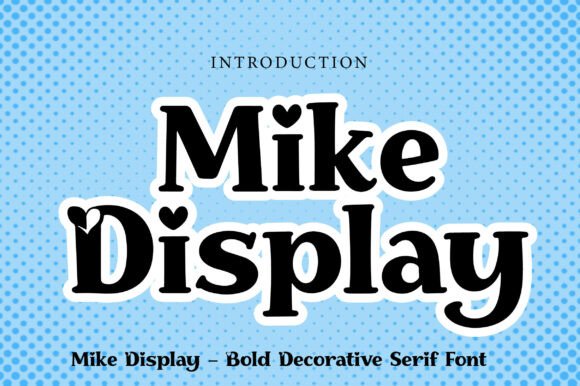
Selecting the appropriate typeface for affectionate or celebratory design projects requires balancing aesthetic warmth with functional legibility. Mike Display is a decorative typeface that occupies a specific niche within this spectrum, characterized by heavy, rounded serif letterforms and distinct heart-shaped cutouts. Unlike traditional romantic scripts that rely on delicate connecting strokes, Mike Display utilizes a thick black silhouette and rhythmic pop-romance aesthetic to convey sentiment. For designers, brand managers, and content creators evaluating typography for Valentine’s Day campaigns, gift shop identities, or creative stationery, understanding the practical applications and limitations of this font is essential for making an informed selection.
Defining the Visual Characteristics of Mike Display
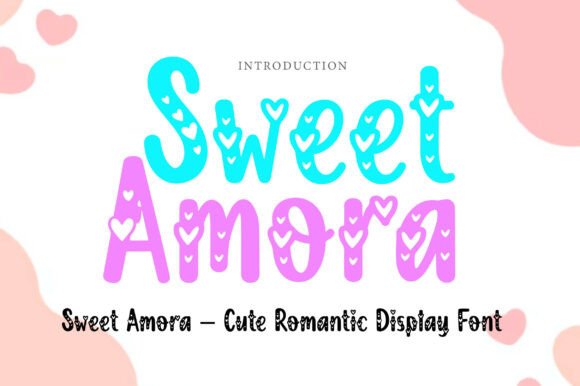
To determine if Mike Display aligns with project requirements, one must first analyze its anatomical construction. The typeface is classified as a display font, meaning it is engineered primarily for large-scale usage rather than extended reading. Its defining feature is the integration of playful heart-shaped cutouts within the counter spaces and terminals of the glyphs. These are not merely overlaid graphics but are intrinsic to the vector paths of the letterforms.
The weight distribution is notably heavy, providing a solid, grounded appearance that differs from the airy, ethereal quality often associated with romantic typography. The serifs are rounded rather than bracketed or sharp, contributing to a soft, approachable texture despite the bold mass. Additionally, the terminals feature romantic flourishes that add movement without compromising the structural integrity of the character. This combination creates a "sweet-and-soulful" visual tone that feels contemporary and graphic rather than vintage or purely calligraphic.
Strategic Applications and Ideal Use Cases
Mike Display performs optimally in environments where immediate emotional recognition and high visual impact are prioritized over information density. When evaluating this typeface against project goals, consider the following scenarios where it demonstrates strong performance:
- Independent Valentine’s Day Branding: For small businesses seeking to distinguish themselves from generic holiday aesthetics, the unique silhouette of Mike Display offers proprietary visual equity. It avoids the cliché appearance of standard script fonts while maintaining thematic relevance.
- Gift Shop and Retail Identities: The heavy weight ensures readability on signage, packaging, and price tags from a distance. The playful details reinforce a boutique, curated atmosphere suitable for artisanal goods, confectioneries, or florists.
- Creative Stationery Logos: In logo design, the heart cutouts serve as built-in negative space elements, reducing the need for additional iconography. This allows for compact, self-contained wordmarks that communicate both the business name and its emotional value proposition simultaneously.
- Social Media Headers: Digital platforms require typography that arrests attention during rapid scrolling. The high contrast between the thick black forms and the white background (or negative space) makes Mike Display highly effective for Instagram stories, Pinterest pins, and Facebook cover images where affectionate messaging must be instantly digestible.
Functional Tradeoffs and Technical Considerations
While Mike Display excels in specific contexts, its decorative nature introduces constraints that must be weighed during the selection process. An objective evaluation reveals several tradeoffs regarding versatility and accessibility.
Legibility at Reduced Sizes
The intricate heart-shaped cutouts and terminal flourishes that define the font’s charm become liabilities at smaller point sizes. Below 24 points (depending on output resolution), these details may fill in during printing or render poorly on low-density screens. If a project requires a consistent typographic voice across both headlines and body copy, Mike Display cannot serve as a standalone solution. It necessitates pairing with a clean, neutral sans-serif or a simple serif to handle secondary information, disclaimers, and long-form text.
Tonal Specificity vs. Versatility
Mike Display is inherently thematic. While this makes it powerful for romantic or celebratory content, it limits its utility for brands requiring tonal flexibility. A law firm, medical practice, or financial institution would likely find the playful cutouts incongruent with their professional obligations. Even within retail, luxury brands aiming for understated elegance may find the "pop-romance" aesthetic too exuberant. Evaluators should assess whether the brand’s long-term identity can accommodate such a specific visual personality or if the font should be reserved strictly for seasonal campaigns.
Accessibility and Contrast
Decorative fonts present unique challenges for users with visual impairments or dyslexia. The modified letterforms and internal cutouts can reduce character recognition speed. To mitigate this, designers using Mike Display must ensure exceptional color contrast ratios and avoid setting text in all-caps, which further degrades readability by removing ascender and descender cues. Responsible use involves treating this typeface as a graphical element rather than a primary vehicle for critical information.
Comparative Evaluation: When to Choose Alternatives
Decision-makers should compare Mike Display against other typographic categories to validate their choice. Understanding when not to use this font is as important as recognizing its strengths.
If the design objective is traditional elegance or formal wedding stationery, a classic copperplate script or a high-contrast Didone serif may be more appropriate. Mike Display’s rounded, heavy forms lean toward casual warmth and modern playfulness rather than aristocratic refinement. Conversely, if the goal is minimalist modernism, the ornamental details of Mike Display may introduce unnecessary visual noise. In such cases, a geometric sans-serif with customized ligatures might achieve a romantic feel through spacing and composition rather than glyph decoration.
Furthermore, for projects requiring extensive multilingual support, evaluators must verify character set coverage. Decorative display fonts often have limited language support compared to comprehensive text families. If the campaign targets diverse linguistic demographics, confirming glyph availability for accented characters and special punctuation is a mandatory step before licensing.
Practical Decision-Making Framework
Ultimately, the decision to implement Mike Display should be driven by alignment between visual attributes and communication goals. Designers and stakeholders can utilize the following criteria to finalize their evaluation:
- Hierarchy Requirement: Is there a clear distinction between display text and body text? Mike Display succeeds only when supported by a robust typographic hierarchy.
- Emotional Resonance: Does the target audience respond to bold, expressive affection, or do they prefer subtle sophistication? The font’s "soulful" quality resonates best with audiences valuing authenticity and warmth over exclusivity.
- Medium Constraints: Will the primary application support fine detail? High-resolution print and retina displays are ideal; low-quality newsprint or small mobile banners are risky.
- Brand Longevity: Is this a permanent rebrand or a temporary activation? For permanent identities, ensure the font’s specificity does not pigeonhole the brand into a single emotional register.
Mike Display represents a distinct intersection of bold graphic design and sentimental illustration. By approaching its selection with a focus on functional constraints alongside aesthetic appeal, creative professionals can leverage its unique characteristics to build memorable, affectionate, and visually coherent brand experiences. When applied with intentionality and paired correctly, it transforms standard messaging into a tangible expression of care, fulfilling its promise as a premier tool for impactful, soulful communication.