Kaze Japanese: Evaluating a Brush-Inspired Display Typeface for Cultural Branding
Selecting the right typography for projects rooted in East Asian culture requires navigating a fine line between authentic tradition and contemporary legibility. Many designers struggle with fonts that either feel like stereotypical caricatures or lack the specific cultural weight necessary to convey heritage. Kaze Japanese addresses this gap as a display typeface that prioritizes the rhythmic energy of classical calligraphy while maintaining structural integrity for modern branding. It is not merely a decorative font; it is a functional design tool intended for specific, high-impact applications where the spirit of the message is as important as the text itself.
Defining the Aesthetic: Beyond Standard Calligraphy
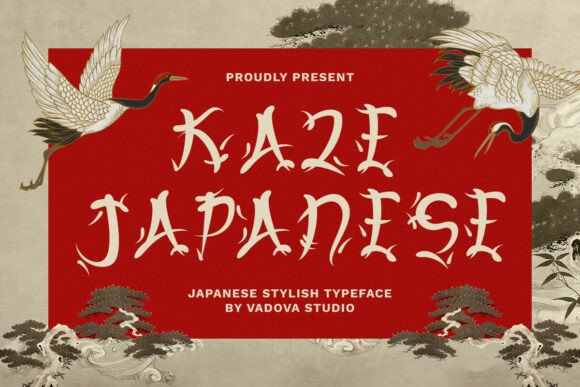
Kaze Japanese distinguishes itself through an interpretation of brush movement that feels dynamic rather than static. While many "Japanese-style" Latin fonts rely on rigid geometric shapes mimicking kanji strokes, Kaze Japanese embraces the fluidity of actual ink on paper. The letterforms exhibit sharp terminals and varying stroke widths that replicate the pressure sensitivity of a traditional fude (brush). This attention to kinetic detail gives the typeface a spirited-and-cultural soul that static vector art often lacks.
The bold structural weight is a deliberate design choice. In display typography, especially for signage or social media headers, thin brush scripts can become illegible at a distance or on small screens. Kaze Japanese maintains enough mass in its strokes to ensure visibility without sacrificing the delicate tapers that define its calligraphic nature. This balance makes it particularly effective for headlines where the texture of the letterform contributes to the overall composition. The aesthetic is unmistakably East Asian, yet it avoids cliché by focusing on the mechanics of writing rather than superficial ornamentation.
Practical Applications in Commercial Branding
The true value of any display font lies in its performance within real-world commercial contexts. Kaze Japanese has been evaluated across several key verticals where cultural authenticity drives consumer trust and engagement.
Independent Sushi and Izakaya Branding
For independent sushi restaurants and izakayas, typography serves as the first indicator of quality and authenticity. Generic sans-serif fonts can make a menu or storefront feel sterile, while overly ornate fonts can appear dated. Kaze Japanese provides a middle ground that suggests artisanal craftsmanship. When used on entrance noren curtains, window decals, or menu section headers, the brush-inspired forms reinforce the narrative of hand-prepared food. The font’s bold weight ensures it remains readable in dimly lit dining environments or on backlit signage, a practical consideration often overlooked in purely artistic typefaces.
Martial Arts Studios and Dojos
Martial arts branding requires a visual language that communicates discipline, strength, and tradition. The sharp terminals and confident strokes of Kaze Japanese align well with the ethos of disciplines like karate, kendo, or aikido. Unlike softer, more flowing scripts that might suggest relaxation, Kaze Japanese possesses a tensile strength suitable for logos and promotional flyers. It conveys movement and impact, mirroring the physical practice it represents. For studio owners updating their web presence or printing new uniforms, this typeface offers a professional alternative to hand-drawn lettering that may lack consistency across different media.
Travel Agencies and Cultural Tourism
In the travel sector, typography must evoke a sense of place immediately. Kaze Japanese functions effectively as a thematic anchor for Japan-focused travel agencies, tour operators, and cultural exchange programs. Whether applied to social media headers, brochure covers, or video thumbnails, the font signals a specialized focus on Japanese heritage. Its expressive nature captures the imagination more effectively than standard corporate typography, helping marketing materials stand out in crowded digital feeds. However, it works best when paired with clean, neutral body text to prevent visual fatigue.
Evaluating Usability and Technical Flexibility
Aesthetics alone do not make a font viable for professional work; technical execution matters equally. Kaze Japanese demonstrates strong usability for designers familiar with display typography, though it comes with inherent limitations typical of the genre.
- Hierarchy Management: Due to its high contrast and expressive nature, Kaze Japanese demands ample whitespace. Crowding the letterforms diminishes their impact and reduces legibility. Designers should treat it as a focal point rather than a workhorse text face.
- Pairing Compatibility: The font pairs most effectively with minimalist sans-serifs or clean geometric typefaces. Combining it with other serif or script fonts often results in visual conflict. The goal is to let the brush textures breathe against a stable background.
- Digital Rendering: On high-resolution displays and print, the sharp terminals render crisply. However, at very small sizes on low-resolution screens, the fine tapers may degrade. It is strictly a headline and display font; using it below 24px is generally inadvisable.
- Cultural Sensitivity: While the font captures an authentic aesthetic, users should remain mindful of context. It is appropriate for Japanese-themed projects but applying it indiscriminately to all Asian cuisines or cultures can inadvertently homogenize distinct traditions.
Strengths and Limitations for Professional Users
Understanding where Kaze Japanese excels—and where it falls short—is essential for efficient workflow integration. No single typeface solves every problem, and recognizing its boundaries prevents misuse.
Key Strengths
The primary advantage of Kaze Japanese is its ability to convey emotion and cultural specificity without resorting to kitsch. It feels authored rather than generated, which adds perceived value to branding projects. The consistency of the stroke logic across the character set is another significant strength; unlike some hand-lettered fonts where individual characters feel disjointed, Kaze Japanese maintains a cohesive rhythm that allows for flexible word combinations. Additionally, the bold weight ensures versatility across both dark and light backgrounds, reducing the need for multiple font variations in a brand kit.
Realistic Limitations
Professionals should recognize that Kaze Japanese is not suitable for extended reading. It lacks the x-height proportions and spacing optimization required for paragraphs. Furthermore, its distinctive personality means it can dominate a layout; if a project requires subtle, understated elegance, a lighter weight calligraphy or a refined serif might be more appropriate. There is also a learning curve regarding kerning and tracking. Because the strokes are organic and irregular, automatic spacing algorithms sometimes fail. Manual adjustment is often necessary to achieve optimal optical balance, particularly in all-caps settings or tight logo lockups.
Who Benefits Most from Kaze Japanese?
This typeface delivers the highest return on investment for specific user profiles. Freelance designers specializing in hospitality or cultural branding will find it a reliable asset for creating distinctive identities that avoid generic tropes. Small business owners in the sushi, martial arts, or tourism sectors who manage their own marketing can leverage Kaze Japanese to elevate DIY materials to a professional standard without hiring a custom lettering artist.
Educators and content creators focusing on Japanese history, language, or arts also benefit from its evocative quality. It serves as an excellent visual cue in presentations, course materials, and YouTube thumbnails, instantly establishing thematic relevance. Conversely, corporate designers working on multinational tech or finance brands may find the font too informal or culturally specific for their guidelines. It is a niche tool, not a universal solution.
Final Assessment of Long-Term Value
Trends in cultural typography cycle frequently, with many novelty fonts aging poorly as aesthetics shift. Kaze Japanese shows greater longevity potential because it is grounded in the enduring principles of shodo (calligraphy) rather than fleeting graphic design fads. The connection to traditional artistry provides a timeless foundation that resists looking dated. For professionals building brand systems intended to last five or ten years, this historical anchoring is a significant asset.
Ultimately, Kaze Japanese succeeds because it respects both the source material and the end user. It offers the expressive beauty of traditional brushwork with the structural reliability required for modern commercial application. When used with intention and proper typographic discipline, it transforms standard text into a cultural statement, bridging the gap between heritage and contemporary design needs. For those seeking to capture the essence of Japanese artistry in their visual communications, it represents a thoughtful, high-quality option that merits serious consideration in the display typography toolkit.