Hayden: Typographic Storytelling for the Modern Explorer
In an era where digital content is consumed at a glance, typography has evolved from a mere vessel for text into a primary narrator of brand identity. For creators, marketers, and educators targeting audiences with a sense of wonder, the choice of typeface dictates the emotional temperature of the message before a single word is processed. Hayden emerges in this landscape not just as a display font, but as a visual shorthand for curiosity and exploration. By integrating hand-drawn adventure motifs directly into bold, rounded letterforms, this typeface bridges the gap between functional communication and illustrative storytelling, offering a unique solution for brands that need to convey an explorer-at-heart soul without relying on external graphics.
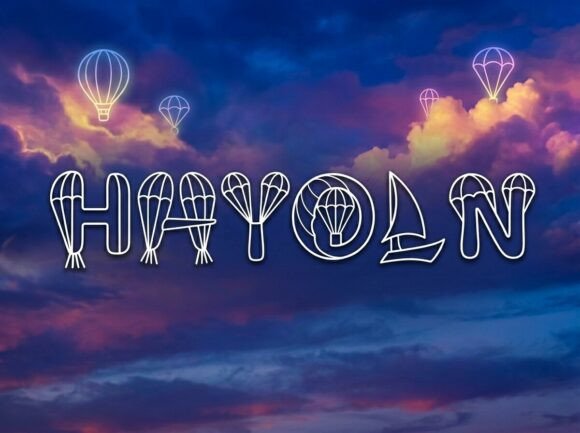
The relevance of Hayden lies in its ability to humanize digital interfaces. As design trends shift away from sterile minimalism toward warmer, more expressive aesthetics, typefaces that carry inherent texture and narrative weight are seeing increased adoption. Hayden captures this zeitgeist by embedding parachutes, hot air balloons, and sailing masts within the characters themselves. This integration transforms standard headlines into immersive experiences, making it particularly effective for independent travel blogs, children’s literature, summer camp branding, and social media campaigns focused on wanderlust. It answers a growing market demand for authenticity and playfulness in professional creative work.
The Evolution of Expressive Display Typography
To understand why a font like Hayden resonates today, one must look at the trajectory of digital typography over the last decade. For years, web design was dominated by geometric sans-serifs optimized strictly for screen readability and neutrality. While functional, these typefaces often stripped away personality, leaving brands to rely heavily on photography or iconography to establish tone. However, user expectations have shifted. Audiences now associate hyper-clean typography with corporate utility, while seeking out imperfect, hand-crafted visuals as signals of authenticity and human connection.
This shift coincides with the rise of the creator economy and niche publishing. Independent travel bloggers and self-published authors no longer have access to the massive art departments of legacy media houses. They require tools that do double duty. Hayden represents a practical evolution in this space: it is a hybrid asset. By functioning as both text and illustration, it reduces the cognitive load on the designer and the visual clutter on the page. When a heading uses Hayden, the "adventure" is baked into the syntax rather than pasted beside it. This efficiency aligns with modern workflows where speed and distinctiveness must coexist.
Furthermore, the resurgence of outline styles and playful rhythms in typography reflects a broader cultural desire for optimism. In a complex information landscape, bold, rounded forms with imaginative details offer a momentary respite. They signal safety, fun, and aspiration. Hayden leverages this psychological association, using its lofty ambition and whimsical construction to create immediate positive sentiment. This is not merely an aesthetic choice; it is a strategic alignment with current emotional design trends that prioritize user feeling alongside user function.
Practical Applications Across Creative Industries
The versatility of Hayden extends beyond its novelty. Its specific design characteristics make it a high-utility tool for several distinct sectors. Understanding these applications helps professionals leverage the font effectively without overusing it or misapplying its whimsical nature.
Independent Travel Blogging and Personal Branding
For travel creators, differentiation is the primary challenge. The market is saturated with similar imagery and generic serif headings. Hayden offers a proprietary feel to blog titles and category headers. Because the motifs (parachutes, masts) are integrated into the glyphs, they scale perfectly across devices, maintaining crispness on mobile screens where separate icons might pixelate or crowd the layout. The font’s bold weight ensures legibility against busy hero images of landscapes, while the outline style allows background colors or textures to show through, creating depth without heaviness. This makes it ideal for site mastheads, newsletter subject lines, and Instagram story templates where capturing the "spirit of place" is essential.
Children’s Publishing and Educational Materials
In children’s literature and educational design, typography serves as a scaffold for literacy. Rounded letterforms are historically associated with early readers because they mimic handwriting and feel less intimidating than sharp serifs. Hayden elevates this tradition by turning reading into a treasure hunt. The embedded adventure motifs reward close looking, encouraging young readers to engage with the text as a visual object. For book covers, chapter titles, and classroom posters, this typeface supports narrative immersion. It signals to parents and educators that the content is imaginative and age-appropriate, bridging the gap between learning and play.
Summer Camps and Youth Organization Identities
Organizations focused on youth development face the dual task of appealing to children (who want fun) and parents (who want safety and structure). Hayden strikes this balance remarkably well. The bold, rounded structure conveys stability and friendliness, while the hand-drawn motifs suggest creativity and outdoor activity. Unlike grunge or distressed fonts that can imply chaos, Hayden’s clean outline style feels organized yet spirited. It is exceptionally useful for camp merchandise, signage, registration portals, and promotional videos. The font acts as a visual promise of the experience: structured adventure. This specific tonal balance is difficult to achieve with standard commercial typefaces, making Hayden a strategic asset for seasonal marketing.
Social Media and High-Impact Headers
Social media algorithms favor content that arrests the scroll. Text-heavy graphics often fail because they lack visual hierarchy. Hayden solves this by making the text itself the graphic. For Pinterest pins, YouTube thumbnails, and TikTok covers, the integrated motifs provide the necessary visual hook without requiring additional design elements. The playful rhythm of the typeface creates natural movement, guiding the eye across the composition. Because the motifs are semantic (related to travel and ascent), they reinforce the caption’s message instantly. This synergy between form and content increases dwell time and engagement, which are critical metrics for visibility in feed-based platforms.
Navigating Design Constraints and Best Practices
While Hayden is a powerful tool, its distinctive character requires thoughtful implementation to maintain professionalism and accessibility. Treating it as a universal solution will dilute its impact and potentially harm usability. Creators should adhere to several practical guidelines to maximize its effectiveness.
- Reserve for Display Use: Hayden is designed for headlines, titles, and short phrases. The intricate details of the parachutes and sailing masts will become illegible noise at body text sizes. Pair it with a clean, neutral sans-serif or a highly readable serif for long-form content to ensure the user experience remains frictionless.
- Mind the Contrast: The outline style, while visually engaging, can present contrast challenges against certain backgrounds. Always test color combinations against WCAG accessibility standards. If using the outline version, ensure the stroke width is sufficient for low-vision users, or utilize the solid variant if available for smaller display sizes.
- Avoid Motif Clashing: Because the font contains specific illustrative elements, be cautious when placing it near other detailed illustrations. A header featuring Hayden’s balloon-integrated letters might compete with a photograph of an actual hot air balloon. Negative space is your ally; let the typography breathe so the integrated motifs can be appreciated without visual competition.
- Contextual Relevance: The motifs are specific to exploration and ascent. Using Hayden for content unrelated to travel, outdoors, or imagination (e.g., financial reports or medical advice) creates cognitive dissonance. Ensure the semantic meaning of the typeface aligns with the content’s intent to maintain trust and coherence.
- Licensing and Commercial Use: Always verify licensing terms for commercial projects. As a specialized display font, usage rights may differ from standard system fonts. Proper licensing protects both the creator and the foundry, ensuring sustainable support for unique typographic tools.
The Future of Thematic Typography
The attention Hayden receives is indicative of a larger trend toward thematic, context-aware typography. We are moving away from the era of "one size fits all" variable fonts toward specialized tools that carry cultural and emotional metadata. Users are beginning to expect typefaces to do more than render characters; they expect them to set the stage. This does not mean every font needs illustrations, but it does suggest that future successful typefaces will possess stronger, more defined personalities that align with specific lifestyle niches.
For professionals and business owners, this means expanding their typographic vocabulary beyond the classics. It involves recognizing that in a crowded marketplace, the right display font is a competitive advantage. Hayden demonstrates that whimsy and utility are not mutually exclusive. By embracing typefaces that capture specific spirits—like the explorer-at-heart soul embodied here—creators can build brands that feel more human, more intentional, and ultimately more memorable. The horizon of digital design is expanding, and tools like Hayden provide the vessel to reach it with confidence and creativity.