Hello Minor: Bridging Whimsy and Professional Design in Modern Typography
In the evolving landscape of digital and print design, typography has shifted from a purely functional necessity to a primary vehicle for emotional connection. Hello Minor unfolds in a breathtaking symphony of style that effortlessly weaves a rich offering of display and children’s fonts, positioning itself at the intersection of this significant industry shift. As creators and business owners navigate an increasingly saturated visual market, the demand for typefaces that balance aesthetic appeal with genuine personality has never been higher. This font family represents more than just a collection of glyphs; it is a strategic tool for brands and individuals seeking to communicate warmth, approachability, and modern elegance without sacrificing professional polish.
The relevance of Hello Minor lies in its ability to adapt to the fluid nature of contemporary creative workflows. As elegant as it is trendy, this typeface encapsulates the essence of wedding cheer, fashion-forward modernity, and feminine charm, yet it remains grounded enough for commercial application. In an era where authenticity drives consumer engagement, generic sans-serifs often fail to convey the nuanced storytelling required for personal branding, boutique retail, and lifestyle content. Awash with stylish flair, Hello Minor enhances any product with an undeniable touch of beauty, answering the market's call for designs that feel handcrafted rather than mass-produced.
The Evolution of Emotional Typography in Digital Spaces
For decades, web and social media design prioritized legibility and neutrality above all else. However, changing user habits and platform algorithms have reshaped these priorities. Audiences now scroll through feeds rapidly, making split-second judgments based on visual tone before reading a single word of copy. Bound to evoke feelings of love and capitalizing on romantic undertones, this beautiful typeface adds character to cards, banners, and print materials in a way that standard system fonts cannot. This shift reflects a broader cultural move toward "soft aesthetics" and human-centric design, where imperfection and organic flow are valued over rigid geometric precision.
This evolution is particularly evident in the rise of the creator economy and small business entrepreneurship. Independent sellers on platforms like Etsy, Shopify, and Instagram require visual identities that distinguish them from corporate giants. From crafting to t-shirt design and Valentine’s attire, this font capably assumes a diversity of roles because it mimics the intimacy of personal correspondence. It bridges the gap between digital efficiency and analog nostalgia, allowing modern businesses to leverage technology while maintaining the tactile warmth that builds customer loyalty. The trend is not merely decorative; it is a response to digital fatigue, offering viewers a visual respite that feels familiar and comforting.
Practical Applications Across Creative Workflows
Versatility is the hallmark of a sustainable typeface investment. Professionals and hobbyists alike operate within ecosystems that demand assets perform across multiple mediums. Hello Minor shines in its use as a Cricut font, while maintaining popularity for letters, monoline, and cursive handwritten work. This specific compatibility addresses a critical pain point in the DIY and maker community: the need for fonts that retain structural integrity when cut from vinyl or printed on fabric. Many display fonts lose detail or become illegible at smaller scales or when rendered in physical materials, but this typeface is engineered with clean vector paths suitable for both screen resolution and mechanical reproduction.
Beyond crafting, the font serves distinct functions in digital marketing and content creation. Brilliantly suited for headline use and social media platforms, it adds a touch of class to your photography, quotes, and sublimation projects. For social media managers and influencers, consistency in typography is as vital as color grading. Using a distinctive typeface like Hello Minor creates immediate brand recognition in thumbnails, story overlays, and carousel posts. It allows creators to establish a cohesive visual language that signals their niche—whether that be parenting, fashion, education, or lifestyle—without relying solely on imagery.
- Social Media Graphics: Enhances engagement rates by adding texture and personality to flat design elements.
- Merchandise Design: Maintains readability and aesthetic appeal on apparel, mugs, and tote bags.
- Event Stationery: Provides a bespoke feel for invitations, place cards, and signage without custom lettering costs.
- Educational Materials: Offers a friendly, non-intimidating aesthetic for worksheets, classroom decor, and learning aids.
Niche Versatility: From Toddler Education to Wedding Elegance
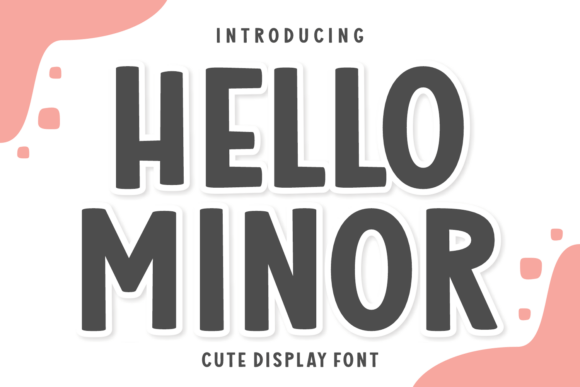
One of the most remarkable aspects of Hello Minor is its expansive demographic range. It is rare for a single typeface family to serve both early childhood education and high-end event planning effectively. Hello Minor, extraordinarily unique and whimsical, is also a magical toddler font. In educational contexts, typography plays a subtle but crucial role in literacy development and emotional safety. Rounded, playful letterforms reduce cognitive load for young readers and create an inviting learning environment. Educators and parents utilizing this font for flashcards, labels, or books are leveraging design psychology to foster positive associations with reading and learning.
Simultaneously, the typeface matures gracefully for adult audiences. Embracing an aura of school pride, it transitions seamlessly into collegiate merchandise, alumni newsletters, and youth organization branding. Yet, it retains enough sophistication for mature markets. The duality of the design means a freelance designer can purchase one license and service clients ranging from preschools to bridal boutiques. This economic efficiency is increasingly important for freelancers and small agencies managing tight budgets. By selecting assets with broad applicability, professionals can streamline their resource libraries while still delivering tailored results for diverse client needs.
Multilingual Capacity and Global Inclusivity
Modern design is inherently global, and typography must reflect this reality. Limited character sets are no longer acceptable for brands with international aspirations or multicultural communities. The multilingual capacity transcends lingual boundaries, brewing an intermingling pot of linguistic charm to adorn a variety of creations. This feature is not merely an add-on; it is a fundamental component of inclusive design practice. When a font supports extended Latin characters, accents, and special ligatures, it ensures that names, places, and phrases are represented accurately and respectfully.
For businesses operating in multilingual regions or serving diaspora communities, this capability prevents the jarring visual disconnect that occurs when designers are forced to mix mismatched fonts to cover different languages. Watch Hello Minor seamlessly translate your vision into reality, appealing to a multitude of spectators across different platforms. This consistency preserves brand integrity across borders. Whether designing a bilingual wedding invitation, a multicultural festival banner, or an international product label, the typographic voice remains unified. This attention to linguistic detail signals professionalism and cultural competence, traits that are increasingly scrutinized by discerning consumers and clients.
Strategic Considerations for Implementation
While Hello Minor offers immense creative potential, effective implementation requires thoughtful pairing and hierarchy management. Because it is a display font with strong personality, it performs best when balanced with neutral body text. Designers should avoid using it for long-form paragraphs, as the ornate details can hinder readability at small sizes. Instead, reserve it for headlines, pull quotes, logos, and short captions. This restraint ensures the font retains its impact and does not overwhelm the viewer.
Additionally, users should consider the context of their medium. What works beautifully on a high-resolution wedding invitation may require adjustment for a low-pixel social media avatar. Testing across devices and print proofs is essential. The font’s monoline and cursive variations offer flexibility here; the cursive version may convey romance for a Valentine’s campaign, while the monoline version might be better suited for a modern minimalist t-shirt design. Understanding these nuances allows creators to maximize the asset's value.
Finally, licensing and ethical usage remain paramount. As with any creative asset, ensuring proper licensing for commercial versus personal use protects both the designer and the end client. The popularity of fonts like Hello Minor in the crafting community has led to widespread sharing, but supporting type designers through legitimate purchases ensures the continued development of high-quality, multilingual, and technically robust typefaces. Investing in quality typography is an investment in the longevity and professionalism of your creative output.
Ultimately, Hello Minor exemplifies how modern typography has evolved to meet the complex demands of today’s visual culture. It is not just a stylistic choice but a functional solution for communication in a world that values both efficiency and emotion. By integrating such versatile tools into their workflows, designers, educators, and entrepreneurs can create work that resonates deeply with their audiences, proving that even in a digital age, the human touch remains the most powerful design element.