Understanding Army Strong: The Power of Camouflage Typography in Modern Design
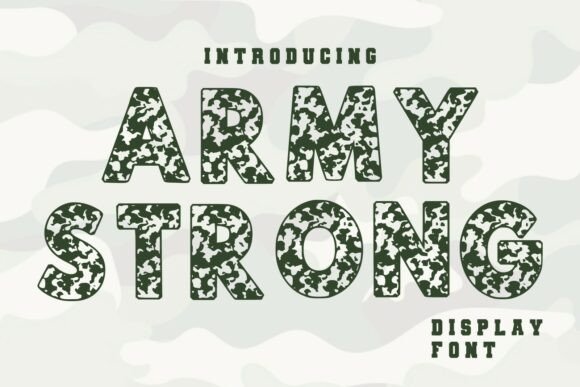
In the vast landscape of graphic design, typography serves as the voice of visual communication. While clean sans-serifs and elegant scripts have their place, certain projects demand a typeface that communicates resilience, authority, and rugged capability. Enter Army Strong, a bold camouflage-style display font that has carved out a unique niche in the design world. Inspired by military patterns and outdoor aesthetics, this typeface is more than just a collection of letters; it is a visual shorthand for toughness and adventure.
For designers, marketers, and content creators, understanding how and when to utilize a specialized font like Army Strong is crucial. It is not merely about applying a texture to text; it is about leveraging semantic design cues to instantly communicate a specific mood and message. This article explores the significance of this tactical typeface, its practical applications across various industries, and best practices for integrating it into modern creative projects.
The Anatomy of Tactical Typography
To appreciate the utility of Army Strong, one must first understand what defines it as a "display font." Unlike body text designed for long-form reading, display fonts are crafted specifically for headlines, logos, and short bursts of impactful text. Army Strong takes this concept further by integrating texture directly into the letterforms.
The defining characteristic of this typeface is its camouflage texture fill. Rather than being a solid color, the glyphs are populated with patterns reminiscent of military fatigues and woodland environments. This creates an immediate psychological association with the armed forces, survivalism, and the outdoors. The letterforms themselves are typically heavy, blocky, and structured, reinforcing a sense of stability and masculine energy. When a viewer encounters this font, they do not need to read the words to understand the context; the shape and texture convey the theme of "tactical readiness" before the brain even processes the language.
Semantic Keywords and Visual Language
In the realm of SEO and user experience, we often discuss semantic keywords—words that help search engines understand context. In design, fonts act as visual semantic keywords. Army Strong functions as a visual tag for concepts such as:
- Durability: Suggesting products or services that can withstand harsh conditions.
- Authority: Evoking the disciplined structure of military organizations.
- Adventure: Signaling outdoor exploration, hunting, or extreme sports.
- Protection: Implying safety, security, and defense.
By selecting this typeface, designers are essentially optimizing their visuals for instant recognition within these specific niches.
Practical Applications Across Industries
While the name suggests a singular focus on military themes, the versatility of Army Strong extends into several commercial and creative sectors. Understanding where this font fits into modern business and creativity helps prevent misuse and maximizes its impact.
Outdoor Branding and Apparel
The most natural home for this typeface is within the outdoor industry. Brands selling camping gear, hunting equipment, or tactical clothing rely heavily on trust and perceived durability. A logo or product label featuring Army Strong signals to the consumer that the item is field-tested and rugged. For example, a t-shirt design for a national park trail run or a bass fishing tournament benefits immensely from this aesthetic. It aligns the merchandise with the lifestyle of the target audience, creating an emotional connection through typography.
Event Marketing and Posters
When designing posters for events such as mud runs, obstacle course races, or veteran appreciation days, readability and atmosphere must coexist. Army Strong provides high-impact headlines that grab attention from a distance. Because the font is inherently decorative, it eliminates the need for complex background illustrations to set the scene. The text itself becomes the primary graphical element, allowing for cleaner layouts where the headline does the heavy lifting regarding thematic context.
Gaming and Digital Media
In the digital space, particularly within the gaming industry, immersion is key. First-person shooters, survival games, and military simulators often utilize HUDs (Heads-Up Displays) and promotional assets that require authentic typography. Army Strong bridges the gap between realistic simulation and stylized entertainment. Streamers and content creators covering these genres also use this font for thumbnails and overlays to maintain brand consistency and signal their content niche to potential viewers scrolling through crowded feeds.
Navigating Common Misunderstandings
Despite its strengths, Army Strong is a specialized tool that can be misused. Addressing common assumptions ensures that the font enhances rather than detracts from a project.
The Readability Trade-off
A frequent misconception is that textured display fonts can be used interchangeably with standard typefaces. It is vital to remember that Army Strong is strictly a display font. The camouflage pattern reduces contrast and breaks up the negative space within letters, making it difficult to read at small sizes or in long paragraphs. Never use this font for body copy, disclaimers, or contact information. Pair it with a clean, legible sans-serif like Roboto, Open Sans, or Montserrat to ensure your design remains functional and accessible.
Contextual Sensitivity
Another assumption is that military aesthetics are universally appropriate for any "tough" brand. However, designers must exercise cultural sensitivity. Using Army Strong for a serious memorial, a medical facility, or a political campaign can sometimes come across as trivializing or overly aggressive. Always evaluate whether the "bold and adventurous" tone aligns with the actual values of the organization. The font works best for recreational, commercial, and celebratory contexts rather than somber or clinical ones.
Best Practices for Implementation
To get the most out of Army Strong in your next project, consider the following technical and aesthetic guidelines. These steps ensure professional results that adhere to modern design standards.
- Prioritize Contrast: Because the font contains internal texture, it requires a solid, contrasting background to remain legible. Avoid placing camo text over busy photographs or complex patterns. Use solid colors or darkened overlays behind the text to make the letterforms pop.
- Limit Your Palette: Let the font provide the complexity. If the typeface is already multicolored or highly textured, keep the rest of the color palette restrained. Earth tones, olive drabs, and muted tans complement the font naturally without competing for attention.
- Scale Matters: Display fonts are designed to be seen large. Do not be afraid to scale Army Strong up to fill significant portions of your canvas. Small usage renders the camouflage detail invisible, turning the font into a muddy, illegible blob.
- Check Licensing: As with any specialized asset, always verify the licensing terms. Ensure you have the appropriate rights for commercial use, especially if you are creating merchandise or branding for a client. Respecting intellectual property is a cornerstone of professional design ethics.
The Broader Significance of Thematic Fonts
Beyond the specific utility of Army Strong, exploring this typeface offers a broader lesson in visual communication. We live in an era of information overload, where audiences make split-second decisions about whether to engage with content. Thematic fonts serve as efficient cognitive shortcuts. They reduce the friction between seeing a design and understanding its purpose.
For students of design and marketing, mastering the use of fonts like Army Strong is an exercise in empathy and semiotics. It requires asking: Who is my audience? What do they value? How can I visually validate those values instantly? When executed correctly, this typeface does not just decorate a surface; it validates the identity of the tribe it represents. Whether for a local airsoft team, a national outdoor retailer, or a survivalist blog, Army Strong transforms generic text into a badge of belonging.
Ultimately, typography is about matching form to function. Army Strong succeeds because it refuses to be subtle. It embraces its niche with boldness and clarity, serving as a powerful reminder that in design, sometimes the loudest voice is the one covered in camouflage. By understanding its history, respecting its limitations, and applying it with strategic intent, creatives can harness this rugged aesthetic to build brands and messages that truly resonate with the adventurous spirit of their audience.