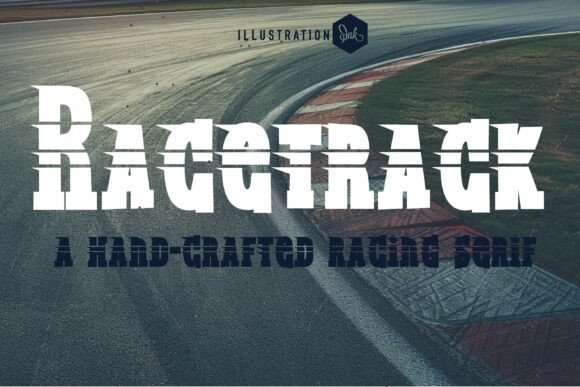
Racetrack: High-Velocity Display Typography
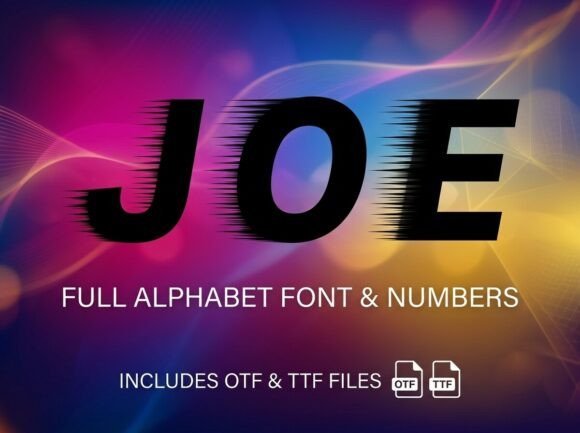
When a design project demands immediate adrenaline, standard bold fonts often fall short. They shout, but they don't move. Racetrack changes this dynamic by embedding kinetic energy directly into the letterforms. This isn't just a heavy typeface; it is a visual engine built for speed. The defining characteristic of Racetrack is its aggressive serif structure that has been horizontally sliced with rhythmic speed lines. These aren't merely decorative textures added as an afterthought. They are integral to the glyph construction, creating a sense of forward momentum even when the text is static. For designers working in automotive, extreme sports, or high-energy branding, this font solves a specific problem: how to convey velocity without relying on clichéd italics or motion blur effects.
Engineering Motion Through Aggressive Serifs
Most display fonts intended for racing or action themes lean heavily into sans serif geometry or chaotic script styles. Racetrack takes a different approach by utilizing a robust serif foundation. The serifs provide a mechanical, industrial anchor that feels grounded and structural, reminiscent of vintage motorsport signage or stamped metal parts. However, the horizontal cuts disrupt this stability just enough to suggest rapid transit. This duality makes the typeface feel both professional and wild. It avoids the amateurish look of many "racing fonts" while retaining the raw soul of the track.
The visual weight of Racetrack is substantial. It commands attention in social media headers and event posters where negative space is limited. The speed lines act as internal leading, guiding the viewer’s eye across the wordmark from left to right. This optical illusion enhances readability in large-format applications because the eye has a clear path to follow. In logo design, this inherent directionality reduces the need for additional graphic elements like arrows or swooshes. The typography itself performs the heavy lifting, allowing for cleaner, more confident brand identities that communicate performance instantly.
Strategic Applications Across Media
Understanding where to deploy this premium font is as important as understanding its anatomy. Racetrack excels in environments where impact outweighs subtlety. Independent automotive racing teams benefit significantly from this aesthetic. It bridges the gap between grassroots grit and professional sponsorship appeal. When applied to car liveries or pit crew apparel, the font’s mechanical energy translates well to fabric and vinyl wrapping. The sliced details remain legible at distance and high speeds, which is critical for sponsor visibility.
Beyond motorsport, this typeface finds a natural home in packaging design for performance-oriented products. Energy drink labels, pre-workout supplements, and tactical gear require typography that promises intensity. Racetrack delivers this promise through its sheer structural presence. On a crowded shelf, the horizontal rhythm creates a distinct texture that stands out against smooth sans serifs and ornate scripts. For digital creators, it serves as an excellent choice for YouTube thumbnails or Twitch overlays related to sim racing and automotive content. The bold forms hold up well against compression artifacts and small screen viewing, ensuring the message remains punchy even on mobile devices.
Editorial design for niche publications also benefits from this creative font. Magazine covers featuring vehicle reviews or athlete profiles can use Racetrack for mastheads and feature headlines to set an energetic tone before the reader even opens the issue. However, restraint is necessary here. Because the font carries so much personality, it works best when paired with neutral, highly readable body copy. Let the headline scream; let the article speak clearly.
Mastering Hierarchy and Font Pairing
Integrating Racetrack into a cohesive brand identity requires thoughtful pairing. Its complex internal texture means it clashes with other decorative typefaces. Avoid using it alongside handwritten fonts or distressed grunge styles, as the competing details will create visual noise and reduce legibility. Instead, anchor Racetrack with clean, geometric sans serif fonts or monospaced typefaces. A utilitarian grotesque provides the perfect counterpoint to the aggressive serifs, reinforcing the technical, high-performance vibe without fighting for attention.
- Primary Headlines: Use Racetrack exclusively for main titles, logos, and short callouts. Limit usage to three to five words maximum per line to maintain impact.
- Supporting Text: Pair with a versatile sans serif like Inter, Roboto, or Eurostile for subheads and metadata. This establishes a clear visual hierarchy.
- Data and Specs: Monospaced fonts work exceptionally well alongside Racetrack for displaying race times, technical specifications, or pricing, enhancing the mechanical aesthetic.
- Color Strategy: High contrast is essential. White or bright yellow Racetrack lettering on dark asphalt grey or matte black backgrounds maximizes the visibility of the speed line details.
Visual hierarchy dictates that Racetrack should always be the loudest element on the page. If you find yourself needing to make it larger or bolder to stand out against other elements, the layout likely has too many competing focal points. Simplify the surrounding design assets to let the typeface breathe. Remember that the horizontal cuts already add significant visual density; adding drop shadows or outer glows often muddies the crisp edges. Flat color or subtle metallic gradients usually yield superior results in both print and web design contexts.
Practical Considerations for Commercial Use
Before committing to Racetrack for a client project or product launch, test it in context. Display fonts can look dramatically different at 72pt on a monitor versus 3 inches tall on a banner. Print proofs or full-scale mockups are non-negotiable. Check the spacing at various sizes; the speed lines may require slight tracking adjustments to ensure letters don't visually collide or drift apart awkwardly. While the font is designed for impact, poor kerning can undermine its professional finish.
Licensing is another practical reality for entrepreneurs and agencies. Always verify that your commercial font license covers all intended mediums. A license for desktop use might not extend to merchandise, app interfaces, or broadcast video. Securing the appropriate rights upfront protects your brand and supports the type designer. Additionally, consider the longevity of the trend. Racetrack captures a specific fast-and-furious soul that is timeless within motorsport culture but could feel dated if overused in unrelated industries. Use it where it belongs, and it will serve as a powerful asset for years.
Ultimately, typography is about communication. Racetrack communicates speed, power, and mechanical precision without saying a word. It transforms static layouts into dynamic experiences. Whether you are designing a victory lap social post, a garage signage system, or a new energy supplement brand, this typeface offers a shortcut to visceral engagement. Treat it with respect, pair it wisely, and it will shift your designs into a higher gear.