Why Editorial Sketch Is the Handwritten Font Modern Brands Are Choosing for Authentic Connection
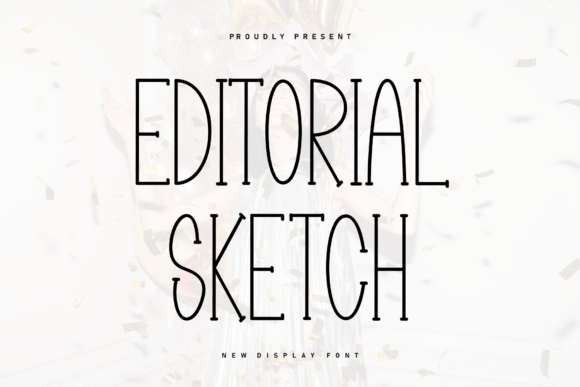
In an era dominated by algorithmic feeds and AI-generated imagery, the human touch has become the ultimate premium asset in digital design. Professionals across marketing, branding, and content creation are witnessing a significant shift away from sterile perfection toward organic warmth. At the forefront of this typographic renaissance is Editorial Sketch, a sweet and beautiful handwritten font that captures the imperfect rhythm of real handwriting. Featuring characters that dance along the baseline, this typeface offers more than just aesthetic appeal; it provides a strategic solution for creators seeking to add a cozy accent to design projects while maintaining professional legibility.
The relevance of Editorial Sketch extends far beyond its visual charm. It represents a broader industry response to digital fatigue, serving as a bridge between high-efficiency workflows and the consumer’s deep-seated desire for authenticity. For entrepreneurs, freelancers, and marketers, understanding why this specific style of typography is gaining traction is essential for crafting campaigns that resonate on an emotional level.
The Shift Toward Organic Typography in Digital Spaces
For decades, the gold standard in corporate and digital communication was uniformity. Grid systems, geometric sans-serifs, and pixel-perfect alignment signaled competence and reliability. However, as screens have become ubiquitous, so too has the craving for texture and variation. We are currently observing a market correction where "perfect" is increasingly perceived as "artificial." Consumers have developed a sophisticated radar for inauthenticity, often scrolling past polished graphics in favor of content that feels personal, spontaneous, and human.
This is where Editorial Sketch finds its strategic niche. Unlike rigid display fonts, its dancing baseline mimics the natural cadence of a pen moving across paper. This subtle irregularity triggers a psychological response associated with intimacy and trust. When a brand uses a typeface that retains these human markers, it signals that there is a person behind the logo. This aligns perfectly with current lifestyle and consumer trends that prioritize wellness, sustainability, and community over mass production. The font does not scream for attention; rather, it invites the viewer into a conversation, making it an invaluable tool for brands building long-term loyalty.
Balancing Whimsy with Professional Utility
A common hesitation among professionals when selecting handwritten fonts is the fear of sacrificing readability or appearing too juvenile. Many script fonts lean heavily into calligraphy or chaotic scribbles, rendering them unsuitable for body copy or serious messaging. Editorial Sketch distinguishes itself by occupying a functional middle ground. It is undeniably sweet and expressive, yet it maintains the structural integrity required for commercial use.
This balance is critical for modern workflows. Creators need assets that are versatile enough to work across multiple touchpoints without requiring constant replacement. Editorial Sketch serves as a reliable workhorse for:
- Social Media Graphics: Adding a layer of warmth to Instagram carousels or Pinterest pins without compromising the clarity of the message.
- Email Marketing: Breaking up dense text blocks in newsletters to create a sense of personal correspondence rather than automated broadcasting.
- Packaging Design: Providing a handcrafted feel for artisanal products, cosmetics, or sustainable goods where the unboxing experience is part of the value proposition.
- Editorial Layouts: Serving as pull quotes or annotations in magazines and blogs to simulate margin notes and enhance reader engagement.
By integrating this font, designers can achieve a bespoke look without the time and expense of commissioning custom lettering for every single project. It democratizes the "handmade" aesthetic, making it accessible for freelancers and small businesses operating with lean resources.
Meeting Changing Consumer Expectations Through Design
The rise of Editorial Sketch correlates directly with evolving consumer expectations regarding brand voice. Today’s audience expects brands to possess personality and empathy. In the technology sector, for example, there is a growing trend of "soft tech," where companies use warmer visuals to make complex or intimidating services feel approachable. A fintech app using Editorial Sketch in its onboarding tutorial instantly reduces anxiety, framing financial management as a supportive journey rather than a clinical transaction.
Furthermore, the creator economy has reshaped how we consume information. Audiences are accustomed to the aesthetics of personal journals, vlogs, and behind-the-scenes content. When established brands adopt typographic styles that mirror this native digital language, they reduce the friction between advertisement and entertainment. Editorial Sketch allows corporate entities to participate in this cultural dialogue without appearing like they are trying too hard. The font’s inherent coziness acts as a visual shorthand for transparency and vulnerability, traits that are increasingly valued in business leadership and marketing.
Practical Applications for Forward-Looking Creatives
Integrating Editorial Sketch into a professional workflow requires intentionality. To maximize its impact, creators should view it as a tonal instrument rather than a default setting. Here are practical observations for leveraging this typeface effectively in current design ecosystems:
- Pairing with Structure: Because Editorial Sketch features a dancing baseline, it pairs exceptionally well with structured, minimalist sans-serif typefaces. The contrast between a rigid grid and the fluid motion of the sketch font creates dynamic tension that guides the eye. Use the sketch font for headlines or emphasis, and reserve clean typefaces for detailed information to maintain accessibility standards.
- Color Psychology Alignment: The "sweet" nature of this font amplifies color choices. Paired with earth tones and muted pastels, it reinforces trends in biophilic design and wellness. Conversely, using it against stark black or neon backgrounds can create a subversive, neo-brutalist effect that appeals to Gen Z demographics who appreciate irony mixed with nostalgia.
- Hierarchy and Pacing: In web design, use Editorial Sketch to control reading pace. The unique character shapes naturally slow down the reader’s eye, making it ideal for key takeaways, testimonials, or calls to action that require contemplation. Avoid using it for navigation menus or fine print where rapid scanning is necessary.
- Cross-Platform Consistency: As brands operate across TikTok, LinkedIn, websites, and physical print, maintaining a cohesive identity is challenging. Editorial Sketch scales remarkably well because its texture remains visible at large sizes while retaining legibility at smaller sizes. This makes it a unifying thread in omnichannel strategies where visual consistency builds brand recall.
The Future of Human-Centric Design Assets
As generative AI continues to saturate the creative landscape, the value of distinctly human artifacts will likely increase. We are moving toward a hybrid creative environment where efficiency is handled by machines, but meaning is curated by humans. Fonts like Editorial Sketch represent the latter. They are tools for injecting soul into scalable systems.
Professionals who understand this distinction are better positioned to lead in the coming years. The choice of typography is no longer merely decorative; it is a business decision that communicates values, sets expectations, and defines relationships. Editorial Sketch offers a tangible way to operationalize the abstract concept of "brand humanity." It acknowledges that while our tools may be digital, our connections remain fundamentally analog.
Moreover, the adaptability of this font speaks to the agile nature of modern entrepreneurship. Freelancers and agencies are constantly pivoting between clients in vastly different industries—from boutique coffee roasters to mental health apps. Having a typeface in the arsenal that universally signals "care" and "craft" reduces cognitive load during the ideation phase. It provides a safe yet distinctive starting point that can be customized through color, scale, and context to fit diverse briefs.
Elevating Projects Beyond the Template
Ultimately, the enduring appeal of Editorial Sketch lies in its ability to elevate standard templates into something memorable. In a marketplace crowded with Canva templates and stock assets, differentiation is difficult. A font that dances along the baseline introduces a variable that algorithms cannot easily replicate: the feeling of a moment captured in time.
For the forward-looking professional, adopting Editorial Sketch is an acknowledgment that design is an act of communication, not just decoration. It is a commitment to creating work that feels lived-in and welcoming. Whether you are designing a landing page for a new SaaS product, crafting a wedding invitation suite, or developing a personal brand identity, this typeface offers the perfect blend of sweetness and substance. It reminds us that even in the most high-tech environments, there is always room for a cozy accent that makes people feel at home.
As we navigate the future of digital interaction, the brands and creators who thrive will be those who master the art of digital intimacy. Editorial Sketch is more than a font file; it is a strategic partner in that endeavor, helping to translate professional expertise into a language that everyone can feel. By embracing the beauty of imperfection, we open the door to deeper engagement, stronger trust, and more meaningful design outcomes in an increasingly automated world.